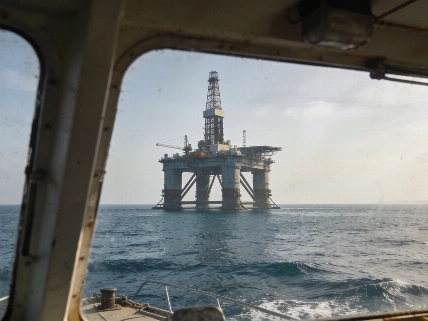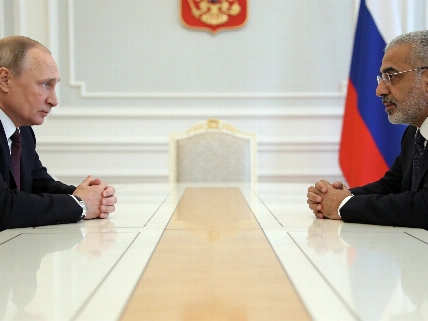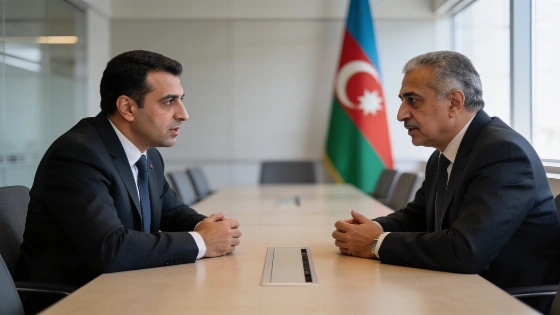
Azerbaijan's Parviz Shahbazov and Algeria's Mohamed Arkab discussed SOCAR-Sonatrach oil and petrochemical trading in Moscow. Their agenda also covered energy cooperation and joint-body meetings, against a 2022 memorandum that sets out wider cooperation provisions.
The energy memorandum between Azerbaijan and Algeria was signed on November 29, 2022, and ratified in May 2026. It sets a structure for broader ties across hydrocarbons and renewable energy.
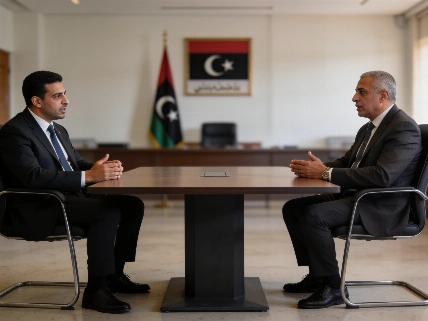
In Moscow, Azerbaijan's Energy Minister Parviz Shahbazov and Algeria's Minister of State, Minister of Hydrocarbons, Mohamed Arkab discussed energy cooperation and potential trading opportunities between SOCAR and Sonatrach. Shahbazov reported the talks in a post on X, saying meetings of the Joint Working Group and Joint Commission were upcoming.
Trading prospects sit within a wider energy structure
The discussion covered potential trade in oil and petrochemical products. Sonatrach has also featured in separate reporting on possible cooperation with Senegal's Petrosen, including Senegal partnership discussions.
The memorandum aims to expand bilateral cooperation in oil and gas. It also covers petrochemicals and renewable energy, with provisions for exploration and production, plus the transportation and distribution of energy resources. Marketing petroleum products is also included.
Supply provisions remain part of the memorandum
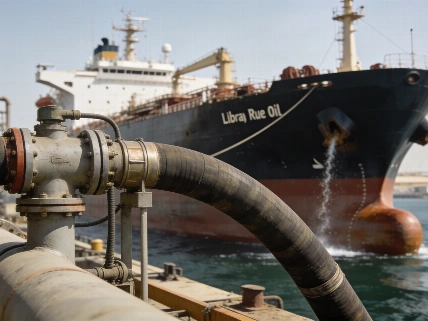
Under the document, SOCAR will provide long-term supplies of Azerbaijani light crude and other grades of crude oil to Sonatrach Raffineria Italiana. The text also provides for renewable-energy cooperation, including hydrogen production and energy infrastructure development. It covers research and development, as well as personnel training.
The memorandum has an initial term of five years, with an option for automatic renewal.
The discussions took place as Azerbaijan advances a separate programme of renewable-energy development and regional power links. At an investor forum in Baku, the Ministry of Energy presented the feasibility study for the Caspian-Black Sea-Europe Green Energy Corridor. Participants included the World Bank, European Investment Bank, European Bank for Reconstruction and Development, Asian Development Bank, Islamic Development Bank, SOCAR Green, Masdar and State Grid Corporation. Minister Parviz Shahbazov described the corridor as strategically impressive for "regional energy security, diversification of energy supplies and the green energy transition," while forum discussions addressed its commercial model, ownership and management options, roadmap and potential strategic investors, as the ministry reported.
The ministry also reported that battery-storage systems installed in Azerbaijan during 2026 had a combined power of 250 MW and storage capacity of 500 MWh. In the preceding year, 38 hydropower plants with a combined capacity of 307 MW generated 750 million kWh of renewable electricity. The ministry said the output saved 160 million cubic metres of natural gas and avoided 280,000 tonnes of greenhouse-gas emissions, information from its 2026 energy update.