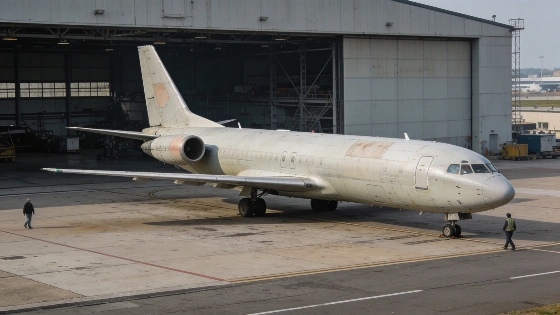
At a Tripoli aviation forum, Fathi al-Mismari argued that launching routes alone cannot rebuild the sector. He called for lifting the EU flight embargo and proposed training and maintenance programs, alongside airport investment.
The Libya International Aviation Forum and Exhibition brought sector discussions to Tripoli on 3-4 November. Fathi al-Mismari said a safety strategy must come before a broader aviation strategy.
He argued that launching routes and establishing airlines would not rebuild the country's aviation system. In his view, lifting the EU flight embargo is the priority: Libya's perceived advantages in aviation would count for little until it is lifted.
European Commission policy materials published on 4 November addressed aviation connectivity as part of a wider EU Sustainable Tourism Strategy. The Commission said the strategy would address connectivity, notably through a proposed revision of the Air Services Regulation. The policy initiative concerns EU aviation connectivity generally. Technical air-safety restrictions are a separate regulatory matter.
Building skills and maintenance capacity
Al-Mismari recommended a training academy with a leading international partner such as Airbus. He said cooperation with European partners could provide the accreditation Libya needs. A related report on Boeing training talks described plans to prepare Libyan staff for the proposed Libya United Airlines.
He also called for aircraft maintenance centres developed with a European partner. The proposals support his case for rebuilding capacity across the sector, rather than treating new services as a complete aviation strategy.
Airports as cargo infrastructure
For airports, al-Mismari proposed investment through a PPP model, including airport complexes with free zones to support cargo operations. He said this could help Libya attract international operators such as DHL and develop into a cargo hub.
The European Commission has also noted that destinations near conflict areas can face negative security perceptions even when they remain safe to visit. Its observation offers wider context for the challenge of building confidence in travel and connectivity. It is not a Libya-specific finding on aviation safety or airport security.
He estimated that the sector could contribute 6 to 8 percent of Libya's GDP and create around 35,000 jobs.