Libya's National Development Agency has held talks in Cyprus to explore investment in solar and energy storage projects, aiming to address severe power shortages in eastern Libya and diversify the country's electricity sources.
Libya’s National Development Agency (NDA) has held discussions in Cyprus to identify investment opportunities in renewable energy, particularly solar power and energy storage. The talks come as eastern Libya faces persistent power cuts, including severe summer outages, and underscore the need for reliable electricity as the country works to diversify its energy mix.
A delegation led by Mahmoud Al-Furjani, Director General of the NDA, met representatives of the Cyprus Chamber of Commerce and Industry and Cypriot energy companies. The discussions focused on modern technologies and potential partnerships to support development projects in Libya and reduce reliance on conventional energy sources.
Focus on Solar and Storage Solutions
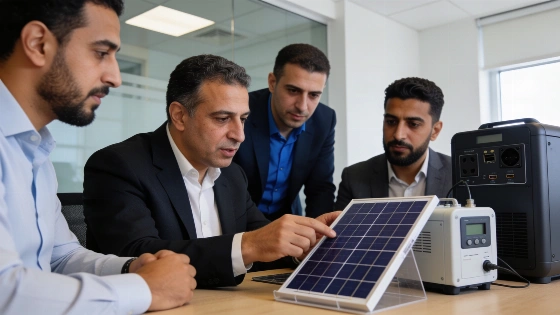
The NDA said the discussions examined how Cyprus’s renewable-energy expertise could support solar and energy-storage projects in Libya. Such projects could add to supply and ease pressure on gas-fired generation, though their effect on consumers would also depend on the electricity network’s ability to move and dispatch power reliably.
Gas remains basic to Libya’s electricity system. A DiscoveryAlert sector report, citing August 2026 outage reporting, said blackouts lasted about six to ten hours in some areas and gas supplied roughly 70 per cent of generation. The report also noted that outages stem from faults in generating assets and in the transmission and distribution networks, not fuel constraints alone.
The NDA, which operates under the authority of Khalifa Haftar in eastern Libya, has presented the effort as part of a broader strategy to attract investment and support the region’s development needs while diversifying energy sources. At the national level, Libya’s energy plans retain oil and gas development while pursuing infrastructure modernisation and renewable-energy expansion. They also include emissions reduction and efforts to limit gas flaring. This policy direction places renewables alongside conventional generation, rather than positioning them as its immediate replacement.
Strategic Implications for Libya’s Energy Sector
The discussions take place amid a wider electricity-sector emergency. Libya’s Ministry of Planning and the General Electricity Company of Libya (GECOL) have prioritised keeping generating units ready, with maintenance and overhauls, alongside repairs to transmission and distribution networks and the procurement of spare parts and equipment. The ministry said the emergency plan aims to “improve the reliability and stability of electricity supplies for citizens”. It has also highlighted the need to coordinate financing and resources for GECOL’s urgent measures.
That parallel focus will shape the potential impact of any solar-and-storage partnership: new generation could support diversification, while near-term reliability also depends on power-station maintenance and fuel security, alongside grid repairs. The NDA’s outreach in Cyprus is an exploratory step towards identifying possible cooperation and investment opportunities.