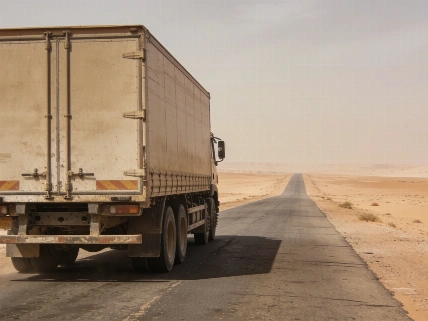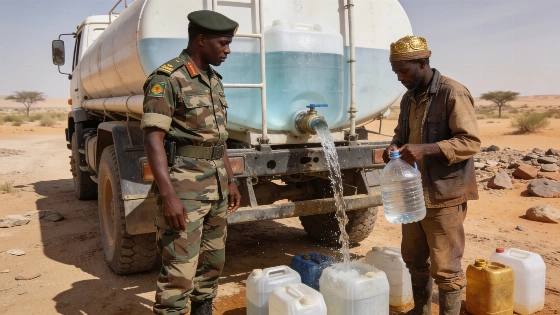
The Mauritanian army supplied emergency water to gold prospectors in the remote Tiris Zemour region after several days of severe shortages, showing the challenges of supporting mining communities in the country's far north.
Prospectors stranded in the remote “détroit d'Ormuz” area of Amirq Ayah, in the far north of Tiris Zemour, received emergency water from the Mauritanian army. They had faced several days of acute potable water shortages, raising concerns about the risks for people working in isolated mining zones.
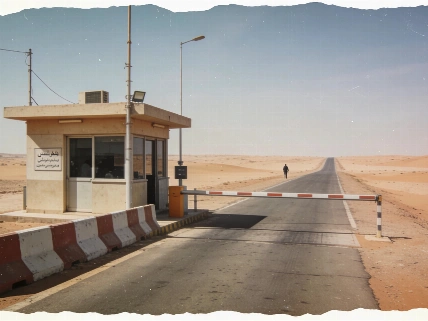
Tiris Zemmour is a mineral-rich region roughly 1,100 kilometres north-east of Nouakchott, where long distances and frontier security make routine logistics difficult. The Mauritanian army oversees security in the area. Sean Hagarty, security analyst and founder of Region Alert, told The Northern Miner that the army had cleared artisanal miners from a 10-kilometre strip along the Algerian frontier.
The miners' attempts to secure water from private suppliers in the “Gleib Ndour” region failed: high transport costs led tanker owners to refuse delivery. The situation escalated, prompting the Union nationale des orpailleurs, led by Mohamed Ould Hamza, to appeal for urgent assistance from local authorities and the military. The union also turned to other unions for help.
Army Coordinates Relief Operation
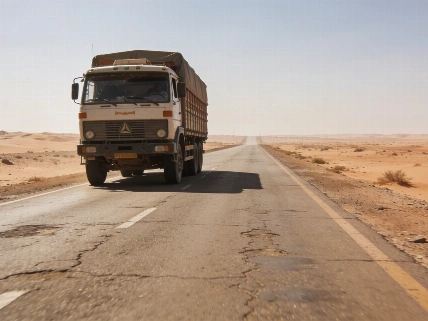
Ould Hamza said Mohamed Val Ould Raïs, chief of staff of the Mauritanian armed forces, personally instructed Colonel Cheikh Ould Sid Bouya, commander of the second military region, to ensure water reached the miners. The army's “Gleib Ndour” company mobilised a privately owned truck carrying 20 tonnes of water during the night between Thursday and Friday. Of that amount, 12 tonnes went directly to the miners' camp; the rest was supplied to surrounding areas.
Colonel Ely Ould Sneïba, deputy commander of the second military region, visited the site to assess the miners' living conditions and confirm the delivery. The Union nationale des orpailleurs thanked the military leadership and the wali of Tiris Zemmour, who stayed in contact with the union throughout the crisis.
Challenges for Remote Mining Communities
The episode shows the logistical and humanitarian challenges facing Mauritania's remote mining communities, where access to basic resources remains precarious. Water is also a basic consideration for industrial mining development in the region. Hagarty has said communities will judge a proposed uranium project on its management of water and radiation. Access to impressive supplies affects both artisanal mining and the region's longer-term development.
Aura Energy's Tiris uranium project remains under development. Its bankable feasibility study is intended to support a final investment decision, with a decision timetable reported for the end of 2026. Mauritania's Minister of Mines and Industry, Eddi Ould Zeine, has said the state and communities would benefit through the country's 15% interest, royalties and taxes. Community contributions are also part of the plans. The arrangements concern a separate industrial project, but reflect the broader importance of water and infrastructure in Tiris Zemmour.
The water delivery follows other recent infrastructure and service disruptions in the country, including widespread power outages in Nouakchott after a substation fire. The incident prompted urgent government intervention, as reported in coverage of Mauritania's emergency power restoration efforts.
Authorities and industry representatives continue to call for better support mechanisms for miners in isolated regions. The sector remains a impressive source of employment and economic activity in northern Mauritania.