
Spain is moving ahead with closer ties to Algeria, despite Moroccan attempts to disrupt the process. Madrid is preparing for high-level visits and new citizenship laws that have unsettled Rabat and led to fresh investigations into recent border crossings.
Spain's efforts to build a stronger partnership with Algeria have led to renewed friction with Morocco. Madrid is pushing forward with plans for high-level talks and legislative changes that Rabat sees as a direct challenge. Regional news agencies, including Algeria's APS and Morocco's MAP, are closely following these developments, highlighting the wider Maghreb interest in the outcome.
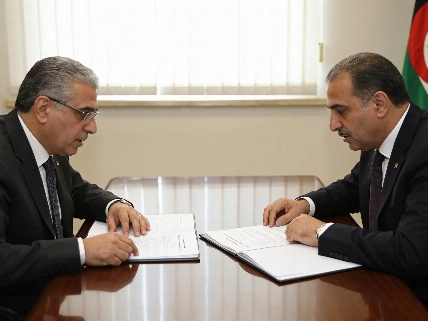
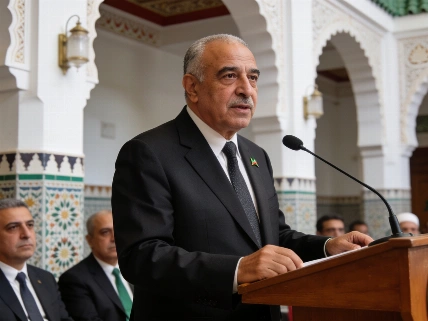
Spain's main goal is to secure reliable energy supplies and more independence in its foreign policy. The government is preparing for a high-level meeting with Algerian officials in October, and a possible visit from President Abdelmadjid Tebboune has added to Morocco's unease. At the same time, Spain's parliament has passed a law granting citizenship to Sahrawis born in Western Sahara before 29 September 1977. The bill, approved on 10 September 2026 with 168 votes in favor, 31 against, and 145 abstentions, allows eligible Sahrawis to obtain citizenship without the usual residency requirement. Their children can also apply through a separate process. This move, widely reported by regional media, is seen as a direct response to the ongoing dispute over Western Sahara-a central issue in Spain-Morocco relations and a frequent topic for the African Union and the UN Economic Commission for Africa.
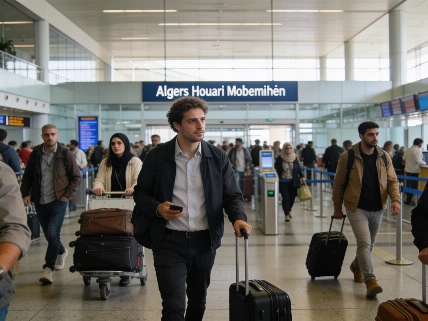
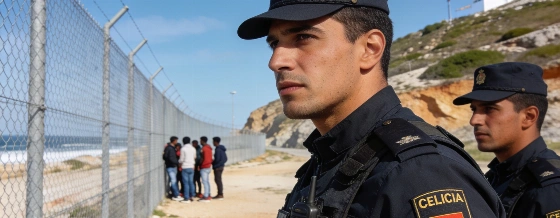
The diplomatic standoff is not limited to official statements. In late July, about 80,000 Moroccan migrants crossed into Ceuta. Spanish authorities do not believe this was a spontaneous event. The presence of Moroccan security forces during the crossing has raised suspicions in Madrid that the operation was coordinated as a form of pressure. Spain's National Court has ordered an investigation into the groups behind the crossing, focusing on the town of Fnideq and using a report from the National Commission for Economic and Social Research, which described the event as organized and carried out in phases. Judge María Tardón accepted these findings on September 7, even as Interior Minister Fernando Grande-Marlaska publicly disagreed with the report, according to El Independiente and regional coverage from MAP.
By mid-September 2026, Spanish police began clearing beaches in Ceuta, where officials estimated about 10,000 migrants remained. The Ministry of Inclusion, Social Security and Migration reported that more than 5,300 people had voluntarily returned to Morocco since August 10. Minister Ángel Víctor Torres confirmed the figure at 5,321, with another 90 people withdrawing requests for international protection. These events have been closely watched by the Moroccan Ministry of Foreign Affairs and reported by Africanews and Reuters. The European Commission, through Migration Commissioner Magnus Brunner, has warned that images from Ceuta could overshadow progress in reducing irregular migration to the EU, a point he made in recent comments to Reuters.
Morocco's ability to use migration as diplomatic leverage appears weaker than during the 2022 crisis. Domestically, Rabat is dealing with increased tensions after upgrading relations with Israel to ambassadorial level, while its relationship with Madrid has worsened. In Spain, there is strong support for holding Morocco accountable for the Ceuta events, even as Prime Minister Pedro Sánchez tries to ease tensions. Miguel Hernando de Larramendi, a professor at the University of Castilla-La Mancha, notes that Morocco has long seen Sánchez's government as vulnerable, especially after the Pegasus spyware scandal exposed sensitive documents from senior officials' phones.
Recent events suggest that Spain's security and institutional bodies are taking a more active role, separate from the government's diplomatic caution. King Felipe VI's appearance in military uniform at a meeting with senior commanders, his planned visit to Ceuta and Melilla, and the National Court's investigation into Moroccan involvement in Ceuta are seen by some as signs of a shift in Madrid's approach. The willingness of Spain's institutions to act independently is viewed as a response to concerns that Sánchez gave in to Moroccan pressure after the Pegasus incident.
Spain's strategy is shaped by its dependence on Algerian energy. The proximity of Algerian infrastructure and a long-standing partnership make Algiers a key supplier for Spain's energy needs. This is especially important as Algeria faces its own budget pressures, as previously reported, reinforcing the need for stable relations. The Algerian Ministry of Energy and Mines has repeatedly stressed the importance of uninterrupted gas supplies to Spain, and recent meetings have confirmed commitments to existing contracts, according to APS and regional economic reports.
With Morocco facing challenges at home and abroad, its influence over Spain seems reduced. The combination of Spanish institutional assertiveness, new citizenship laws for Sahrawis, and closer ties with Algeria points to a shift in Madrid's regional strategy. For now, Spain is making it clear that it will not let outside pressure dictate its energy and diplomatic priorities, even as the risk of further border incidents and diplomatic retaliation remains. The coming months will show whether this new approach can bring the stability and independence Madrid wants in its Maghreb policy. For ongoing updates on Maghreb regional diplomacy, readers can consult the Algerian Press Service and other official news agencies.