Algeria's plan to introduce computer science across secondary schools in 2026-2027 highlights major gaps in infrastructure, teacher availability, and educational materials, raising questions about the system's readiness for digital transformation.
Algeria is preparing to introduce computer science as a core subject in its secondary school curriculum starting in the 2026-2027 academic year, marking a significant step in the country's educational reform agenda. The Ministry of Education has announced that all second-year secondary students, and third-year students in mathematics and engineering tracks, will be required to study the subject. The move is intended to align the national education system with global technological and scientific trends, equipping students with essential digital skills.
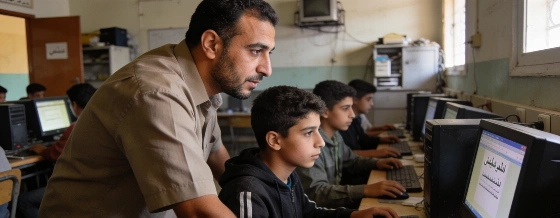
However, the planned rollout faces substantial challenges. Many secondary schools across Algeria reportedly lack dedicated computer laboratories, raising concerns about the feasibility of delivering practical, hands-on instruction. Without adequate infrastructure, there is a risk that the new subject could be limited to theoretical teaching, undermining its intended impact.
Shortage of Qualified Teachers and Learning Materials
Another major obstacle is the shortage of specialized computer science teachers. The expansion of the subject to a wider student base will increase teaching hours, but many schools do not have enough qualified staff to meet this demand. While temporary solutions such as assigning teachers from other disciplines are being considered, education experts stress that only specialized instructors can deliver the scientific and technical content effectively in the medium term.
The absence of an official textbook and supporting materials further complicates preparations. Teachers are expected to begin planning lessons without a standardized curriculum or reference documents, making it difficult to ensure consistency and quality across schools. The Ministry's delay in distributing updated pedagogical guidelines and school planning documents has also left some institutions uncertain about staffing needs and class schedules.
Implementation Risks and Strategic Stakes
While stakeholders broadly support the integration of computer science, they emphasize that success depends on concrete measures to address infrastructure, staffing, and resource gaps. The reform is seen as essential for preparing Algerian students for a digital economy, but its effectiveness will hinge on the Ministry's ability to resolve logistical and organizational issues before the start of the school year.
With only months remaining before the 2026-2027 academic year, the government faces mounting pressure to equip schools, recruit and train teachers, and finalize educational materials. The outcome will test Algeria's capacity to modernize its education system and ensure that students are prepared for the demands of a technology-driven world.