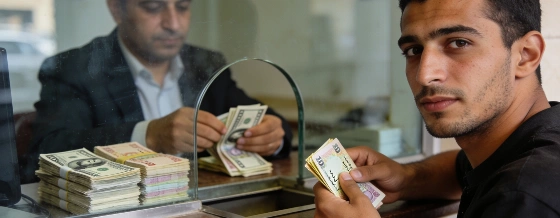
The Central Bank of Libya is preparing to inject foreign currency into the market in an effort to halt the dinar's slide, following recent improvements in economic indicators and new agreements with international partners.
Libya's Central Bank is preparing to intervene directly in the foreign exchange market as the dinar continues to lose ground. In mid-September 2026, the black market rate reached LD 9.65 per dollar, well above the target set by Governor Saddek Elkaber. Data from Reuters and The Libya Observer show the parallel market rate holding between 9.5 and 9.6 dinars per dollar, while the official rate stayed near 6.37 to 6.50. This gap has persisted despite efforts by the authorities to stabilize the currency (Reuters).
Currency injection follows oil revenue boost and new agreements
A source at the Central Bank told the Libya Herald that the planned injection of foreign currency is tied to recent improvements in economic indicators and higher oil revenues. The timing also follows new agreements with economic partners, which the source said should help reinforce the national economy. Governor Elkaber recently met in London with the Governor of the Bank of England, the British Foreign Office, and representatives from several Arab, regional, and international financial institutions. The Central Bank's latest monthly revenue and expenditure statement, published on 10 September 2026, outlines its reporting cycle ahead of the intervention (Central Bank of Libya).
Central Bank faces uphill battle to meet exchange rate targets
Despite a public campaign to support the dinar and curb the black-market dollar rate, the Central Bank has not managed to bring the exchange rate within the five percent margin under LD 7.00 that Governor Elkaber promised. The Bank is now stepping up its intervention, focusing on maintaining foreign currency reserves and keeping the deficit within set limits through the end of the year. According to the World Bank Data Catalog, Libya has struggled with exchange rate volatility for years, with a recurring gap between official and parallel market rates. Similar trends have been reported in neighboring countries like Tunisia and Algeria, according to Tunis Afrique Presse (TAP) and Algérie Presse Service (APS).
Strategic context and regional implications
The Central Bank's move is the latest in a series of attempts to stabilize Libya's financial system, which continues to face institutional divisions and outside pressures. Injecting foreign currency is meant to increase availability and restore some confidence, but the black-market rate remains unpredictable. Libya has previously reached out to international partners, including Russian energy firms, to support key sectors (reported earlier). Regional news agencies, such as Morocco's MAP, have noted that other North African economies have faced similar currency pressures, leading to coordinated responses from central banks and finance ministries across the Maghreb.
While the Central Bank's planned intervention shows a willingness to act, the ongoing gap between official targets and market rates highlights the limits of monetary policy in Libya's divided political environment. The next few weeks will show whether injecting foreign currency can do more than temporarily slow the dinar's decline, or if broader reforms are needed to bring lasting stability. The African Union's Economic Affairs Department continues to monitor these interventions across the region, stressing the need for macroeconomic coordination and transparent reporting for a sustainable recovery.