
Macroeconomy
20 articles
IMF Forecast Puts Morocco GDP Per Capita Above $5,000
The IMF's October 2026 outlook forecasts $5,140 per person, while a calculation using projected output and population reaches about $5,200. The gap reflects different assumptions; GDP per capita is not household income.
Tunisia olive oil exports generate record 5.2 billion dinars
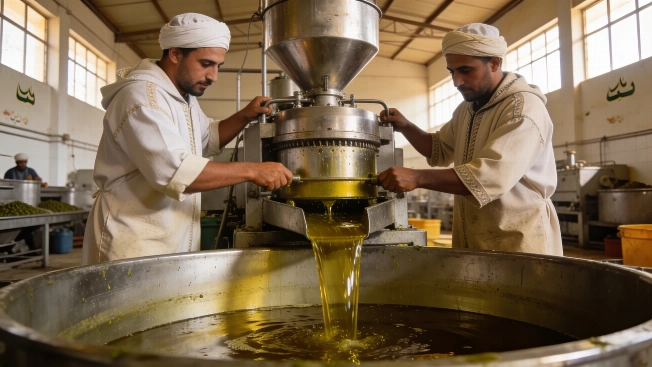
Revenue climbed 39 percent to 5.2 billion dinars ($1.71 billion) in 2025-2026 as a record crop lifted shipments. Bulk oil still made up 84.3 percent of export volumes.
IMF Urges Algeria to Make Diversification Investments Pay
The IMF says Algeria's diversification gains remain limited while hydrocarbons dominate exports. It urged tighter investment priorities and stronger public finances to support a more competitive private sector.
Algeria's diversification drive faces a fiscal test
Hydrocarbons still dominate Algeria's exports and public revenue. The IMF says stronger private firms and tighter spending choices are needed to turn diversification reforms into durable jobs and broader export growth.
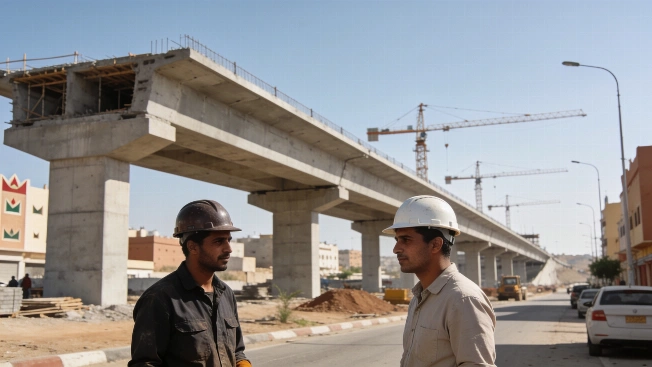
Morocco's 2027 financing need forecast at 3% of GDP
The report accompanying Morocco's 2027 draft Finance Bill forecasts a 1.6-percentage-point drop in the financing requirement alongside 3.7% growth, with investment and exports projected to strengthen.
Tunisia's insurance market ranks fifth in Africa
The African Insurance Organisation's 2026 report puts Tunisia's premiums at 2.34% of GDP, against a 7.4% global average. The figures show a wide gap, even as the country ranks among Africa's stronger insurance markets.
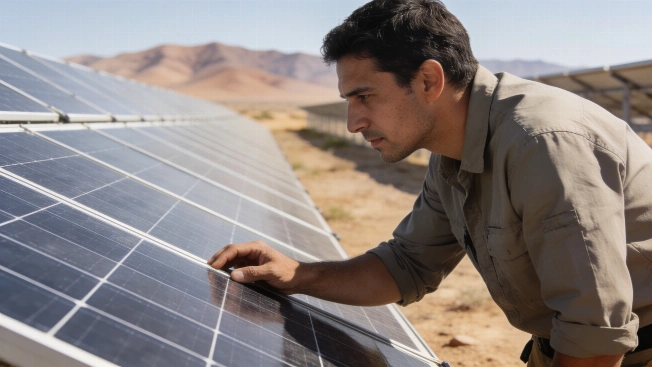
Morocco Targets 5% Growth Through 2031
The programme sets a 3% budget-deficit ceiling and aims to raise private investment to two-thirds of the national total, while extending support to tourism and domestic seed production.
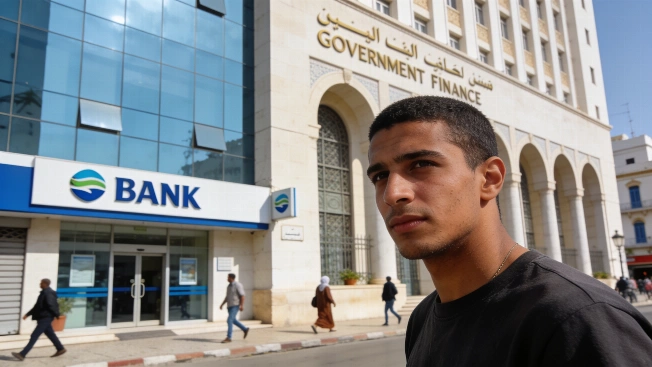
Tunisia turns to domestic lenders for 2027 budget
Amen Invest says the draft budget needs more than TND 28 billion in Treasury financing. Heavy domestic borrowing could squeeze credit for businesses and households.
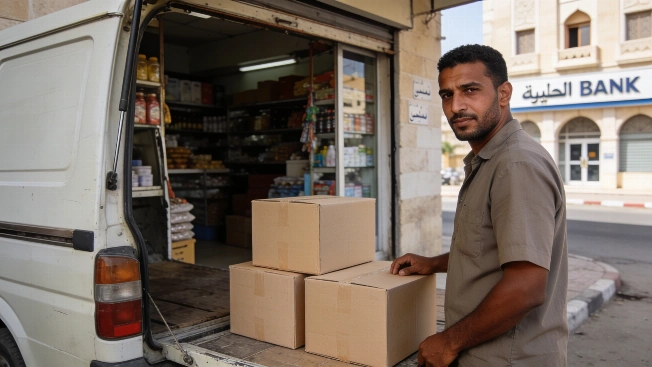
Libya's FX Gap Puts Economic Policy to the Test
Libya's reported $4.7 billion foreign-exchange gap and the wide official-parallel rate spread put reserve sustainability under scrutiny. The test is whether fiscal controls and transparent allocation can ease pressure on the dinar.
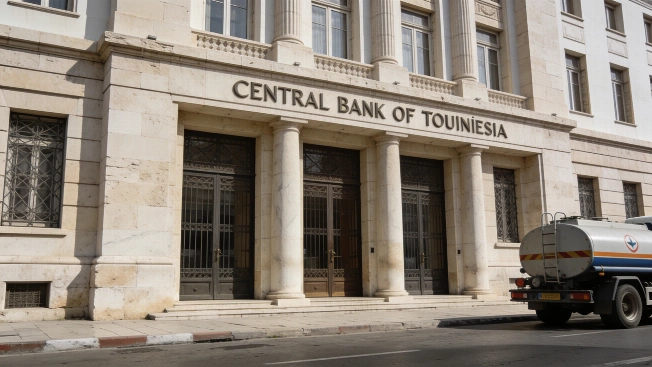
Tunisia Holds Rate at 7% as Energy Bill Climbs
The Central Bank of Tunisia held its basic rate at 7% on October 7. September inflation hit 5.6%, while energy import costs rose about 28% and the current-account deficit reached 2.5% of GDP.
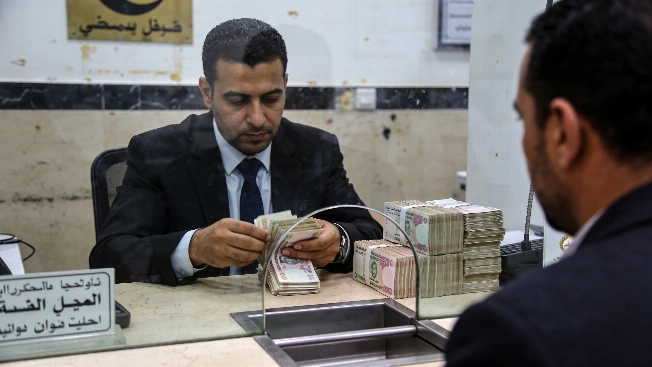
Libya faces hard questions over Central Bank crisis management
A new book by Saddek Omar Elkaber and Michael G. Schaeffer is set to detail the Central Bank of Libya's crisis years. But the real test lies in the numbers: the dinar's value, the growth of the money supply and the cost of decisions that shaped daily life.
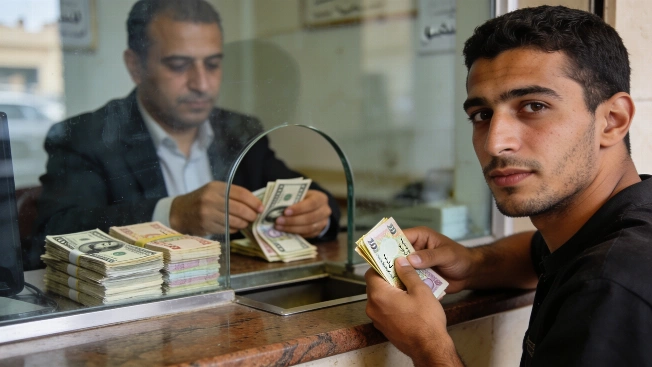
Libya moves to inject foreign currency as dinar slides on black market
The Central Bank of Libya is preparing to inject foreign currency into the market to halt the dinar’s slide, following recent improvements in economic indicators and new agreements with international partners.
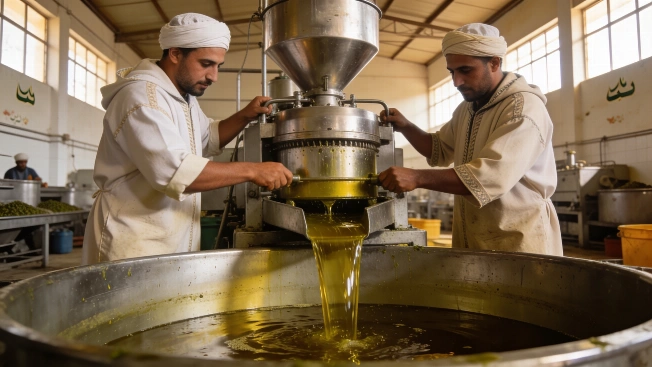
Tunisia's food surplus hits new high as olive oil exports surge
Tunisia's food trade surplus reached 983.1 million dinars in the first eight months of 2026, driven by a sharp rise in olive oil exports, even as the country's overall trade deficit continued to grow.
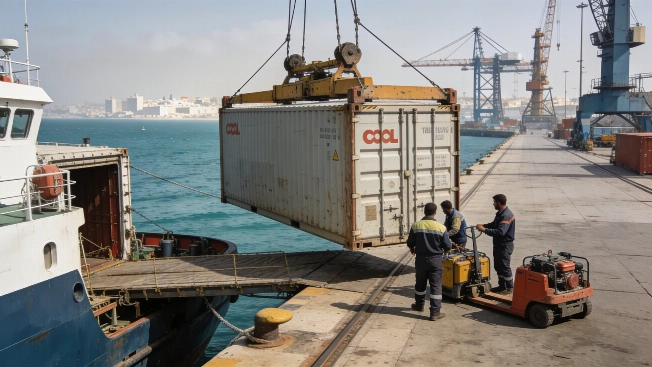
Tunisia's trade deficit hits record high as energy imports surge
Tunisia's trade deficit reached TND 17.85 billion by August 2026, driven by rising energy and raw material imports that outpaced export growth. The widening gap is putting new strain on the country's external finances.
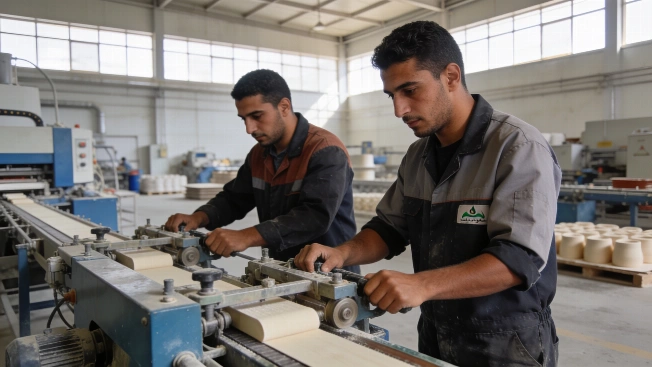
Algeria faces fiscal strain as non-oil sectors struggle to offset energy losses
Algeria's push to diversify away from oil and gas is showing early momentum in industry and mining, yet the country's public finances remain exposed as energy revenues falter and the budget deficit widens beyond 10 percent of GDP.

Tunisia Faces Rising Debt as Fitch Maintains B Minus Rating
Fitch Ratings has kept Tunisia's sovereign rating at B minus with a stable outlook, highlighting the country's ability to withstand external shocks while warning of persistent fiscal deficits and mounting government debt that far exceed regional peers.
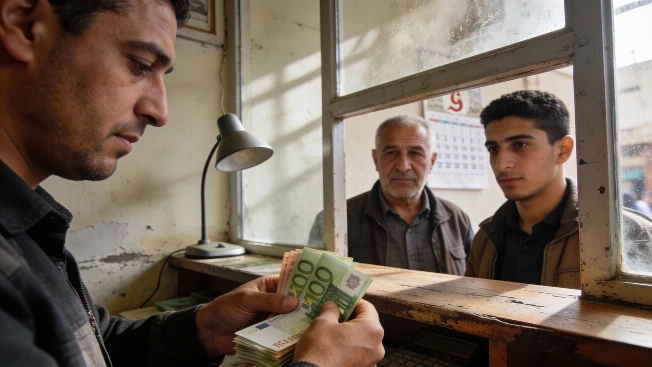
Euro Surges on Algeria's Parallel Market as Currency Pressures Intensify
The euro has climbed to 27,700 dinars per 100 euros on Algeria's parallel market, ending weeks of stability. Fading summer inflows and rising demand from students and car importers are tightening currency supply and exposing persistent market imbalances.
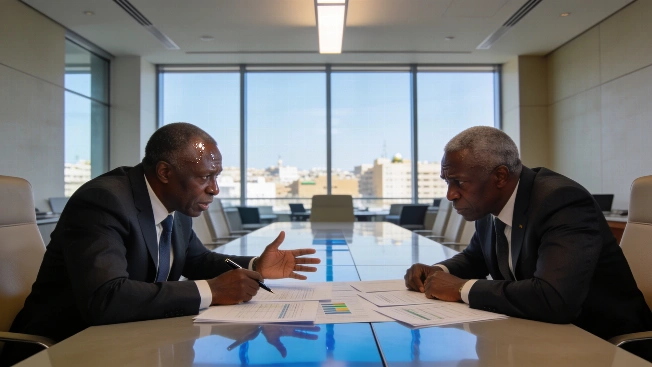
Senegal Agrees to IMF Debt Restructuring for $2.2 Billion Programme
Senegal has reached a staff-level agreement with the IMF for a $2.2 billion, three-year financing programme, contingent on the government restructuring its debt to restore fiscal sustainability after previously undisclosed liabilities came to light.
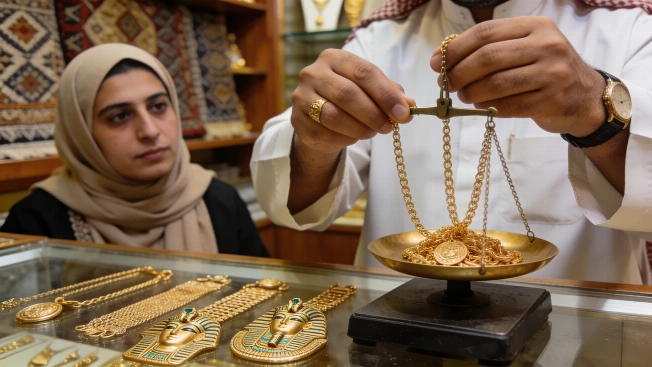
Gold Prices in Egypt Surge 5.8% Amid Currency Pressure
Egyptian gold prices climbed 5.8% last week, reaching an 11-week high as global gold rallied and the Egyptian pound weakened against the US dollar. The move reflects both international market dynamics and shifting local demand.
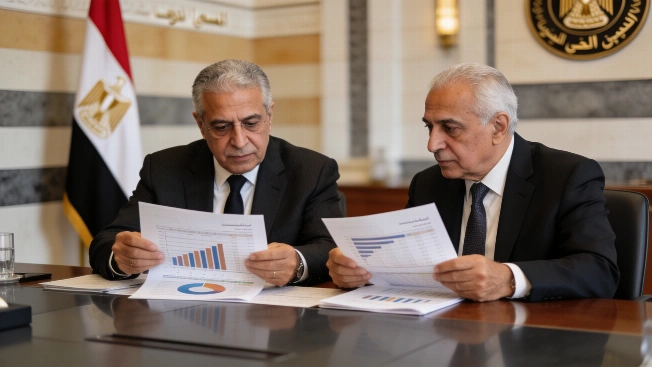
Egypt's Central Bank Expected to Hold Rates as Inflation Rises
The Central Bank of Egypt is widely expected to keep its basic interest rates unchanged for a fourth consecutive meeting as policymakers weigh persistent inflationary pressures and a resilient external position amid regional uncertainties.