
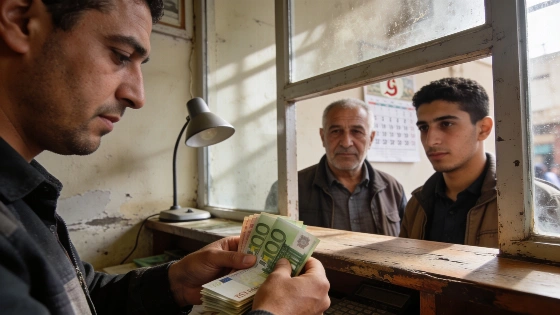
The euro has jumped to 27,700 dinars per 100 euros on Algeria's parallel market, breaking weeks of stability as dwindling summer inflows and surging demand from students and car importers squeeze currency supply and expose persistent market imbalances.
Algeria's parallel currency market has snapped out of its summer lull, with the euro climbing sharply to 27,700 dinars per 100 euros at Saturday's close-a move that signals mounting pressure on the dinar as both supply and demand dynamics shift abruptly.
For weeks, the black market rate had hovered near 27,650 dinars, but the latest surge-up 50 dinars in a single day-reflects a collision of seasonal and structural forces. The official market remains tightly controlled, but the parallel market's volatility is now impossible to ignore for Algerians needing foreign currency for study, travel, or imports.
Summer Ends and Currency Supply Dries Up
The end of the summer holiday season has triggered a sharp contraction in euro supply. As members of the Algerian diaspora return to their countries of residence, the steady inflow of hard currency that typically props up the market during peak travel months is fading fast. This seasonal reversal leaves local buyers scrambling for fewer available euros, amplifying the upward pressure on rates.
Meanwhile, the demand side is heating up. The approach of the academic year brings a wave of Algerian students preparing to depart for studies abroad-especially to France, which remains the top destination. According to official figures, 8,351 Algerian students secured long-stay visas for France for the 2025-2026 academic year. Each departure means families must secure euros to cover tuition, travel, and initial living costs, further tightening the market.
Importers and Students Fuel Demand Spike
It's not just students driving the scramble for foreign currency. The imminent resumption of private vehicle imports, set for mid-September at the ports of Algiers and Oran, is already stoking anticipation among would-be buyers. With official channels for currency exchange still restricted, many importers are turning to the parallel market to secure the euros needed for overseas purchases. This speculative rush is feeding a feedback loop: as expectations of higher demand grow, so do the rates.
On the ground, currency traders are quoting 27,700 dinars for 100 euros at the sell window, while the buy rate remains stuck at 27,400 dinars. The spread underscores the market's nervousness and the lack of confidence in any imminent relief for the dinar. The situation echoes warnings from Algerian authorities about the risks of unregulated financial flows, as highlighted in recent coverage of parallel market vulnerabilities.
Persistent Imbalances and Policy Gaps
Despite repeated government pledges to reform the currency regime and expand official exchange options, the parallel market remains the only practical route for most Algerians needing euros. The result is a persistent two-tier system that distorts prices, encourages speculation, and leaves the dinar exposed to every seasonal or policy shock. The current spike is a direct consequence of these unresolved structural weaknesses.
With the euro's upward momentum now established and no immediate policy intervention in sight, Algerian households and businesses are left to navigate a market where every fluctuation carries real economic consequences. The authorities' reluctance to liberalize or meaningfully expand access to foreign currency is not just a technical issue-it is a daily reality for families sending students abroad, importers planning purchases, and anyone exposed to the volatility of the dinar. Until the government confronts the root causes of this parallel market dependence, each seasonal shift or regulatory change will continue to trigger outsized reactions, eroding confidence and amplifying Algeria's vulnerability to external shocks.