
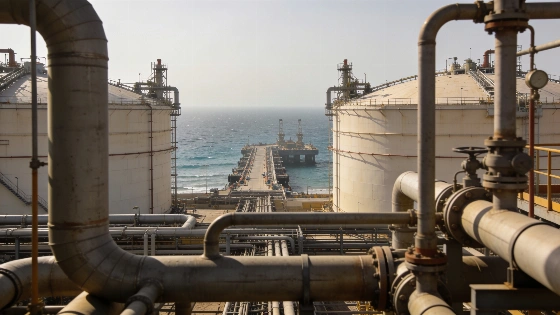
Egypt is pitching its gas network, LNG terminals and petroleum services as a way for African producers to process resources and keep more value on the continent. A $1.1 billion Petrojet contract in Algeria offers a concrete example. At the Alamein forum, Cairo is also making the case for financing and project delivery.
In May 2026, Petrojet secured a $1.1 billion contract in Algeria to develop Phase Two of the Hassi Bir Rkaiz field. The deal gives Egypt's regional energy pitch a concrete business example: an Egyptian contractor winning work in a major North African energy-producing market.
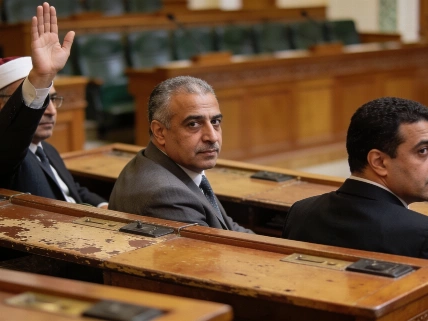
At the inaugural Alamein Africa Forum in New Alamein, Petroleum and Mineral Resources Minister Karim Badawi made the case for Egypt's infrastructure and companies as a link between African resources and regional and international markets. The forum opened on 3 October and is scheduled to run through 4 October. About 1,500 officials, business leaders, investors and representatives of financial institutions were taking part, Anadolu Agency reported. Energy, infrastructure, trade and finance are on the agenda. The test is delivery.
Egypt's Ministry of Foreign Affairs said the 2 to 4 October programme coincides with a summit of AUDA-NEPAD's founding countries and the African Union's eighth mid-year coordination meeting. The Egyptian government, African Union, AUDA-NEPAD and Afreximbank are listed as organisers. President Abdel-Fattah el-Sisi was expected to inaugurate the forum on 4 October, a sign of its high-level political backing. Egypt has presented it as a recurring platform, planned every two years, to mobilise investment and turn African development priorities into projects.
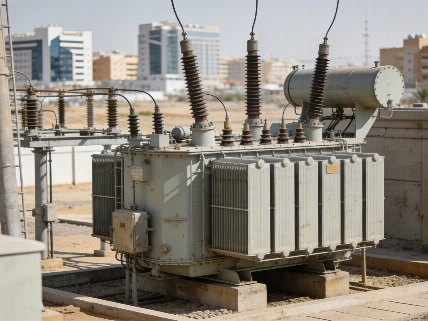
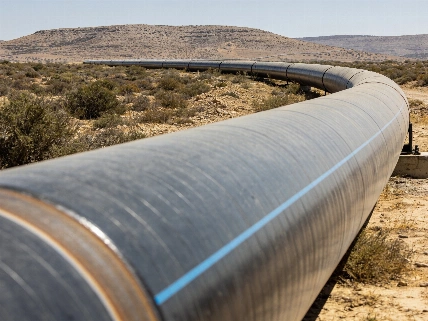
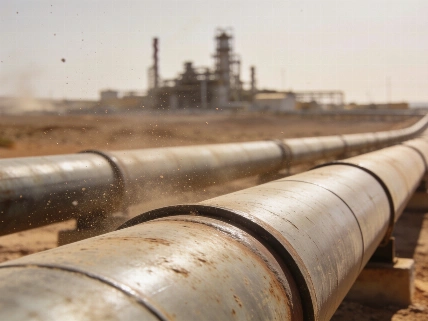
Badawi pointed to Egypt's natural gas networks and the LNG facilities at Idku and Damietta. He also cited pipelines, petroleum ports, refineries and petrochemical complexes. These assets are part of Egypt's case for offering refining, blending, storage and transportation services to African producers, as well as producing petroleum products, Ahram Online reported. The stated aim is to keep more value on the continent by expanding processing and related services, rather than exporting only unprocessed resources. These are potential uses of existing infrastructure. They do not show that capacity has been reserved or agreements have been reached with other African producers.
The infrastructure is the offer. Turning it into viable cross-border business is the test. For producers in North Africa, including Algeria, the proposition will depend on costs, available capacity, transport links and the terms of any specific commercial agreement. The forum announcement does not establish comparable project commitments in Morocco, Tunisia, Libya or Mauritania. Nor does it provide new bilateral trade-balance figures for those countries.
Badawi also cited Egyptian firms' expertise in engineering, procurement, construction, drilling, refinery operations and infrastructure development. Alongside Petrojet's Algerian project, he referred to Eprom's activities in Nigeria and the Egyptian Drilling Company's international operations. These examples show the range of work Egypt is presenting to African partners. The forum material does not specify additional contracts or project commitments arising from the event.
Financing and execution will shape the offer. Egypt supports the African Energy Bank initiative under the African Petroleum Producers' Organization (APPO). Launched in June 2024, the initiative has an initial capital target of $5 billion. It is intended to finance areas such as exploration, production, transportation, storage, LNG, refining, petrochemicals and infrastructure. That financing plan could help address a constraint on energy projects. But the target is not money already disbursed, and it does not mean financing has been secured for particular projects.
Badawi inspected the Petroleum Ministry's pavilion and met representatives of 10 Egyptian petroleum and mining companies. He urged them to engage with African officials and pursue projects in energy, infrastructure and mining. The forum's alignment with AU and AUDA-NEPAD gatherings provides a setting for regional coordination. The next measure will be specific partnerships, financing and contracts, not the breadth of the asset list alone.
Egypt has a basis for pursuing this role: it has gas and petroleum infrastructure, and Egyptian contractors already work beyond its borders. African producers will have reason to take up the offer only if that capacity leads to commercially sound deals and delivers processing, services and value within the continent. For now, Egypt has made its case. The Algerian contract shows the kind of execution it can point to, not proof that continental energy integration has already been achieved.