
Algeria will host Tunisia, Italy, Germany and Austria on October 1 to discuss the next stage of the 3,300-kilometre SoutH2 Corridor. Its proposed capacity of four million tonnes a year remains a target, subject to technical studies, infrastructure conversion, project economics and long-term buyers.
The five countries gave the SoutH2 Corridor political backing in Rome on January 21, 2025. Their joint declaration of political intent did not commit them to build the route or guarantee future hydrogen purchases.
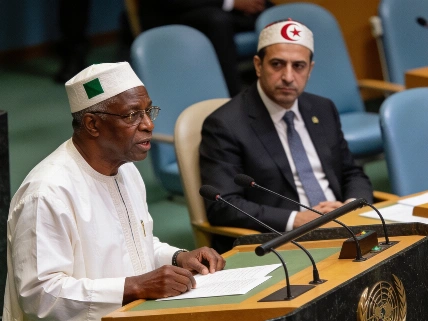
On October 1, Algeria is due to host Tunisia, Italy, Germany and Austria for the second ministerial meeting. The agenda is to discuss cooperation and the project's next stage, not to announce a completed investment plan. Radio Algérienne's report describes the talks as part of efforts to develop cooperation on transporting green hydrogen to Europe. No build commitment followed.
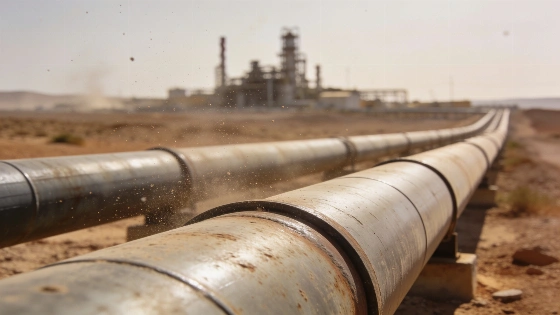
The proposed route would run about 3,300 kilometres. It would connect North African production with Italy and, through Tunisia, markets in Austria and Germany. Project reports say it would rely mainly on existing gas pipelines adapted for hydrogen.
The stated capacity is four million tonnes of renewable hydrogen a year. Radio Algérienne's Arabic-language coverage puts that at roughly 10% of the EU's anticipated hydrogen demand in 2040. Both figures are projections, not current production or contracted deliveries. Tunisian reporting on the agreement also covers the country's role in the proposed route.
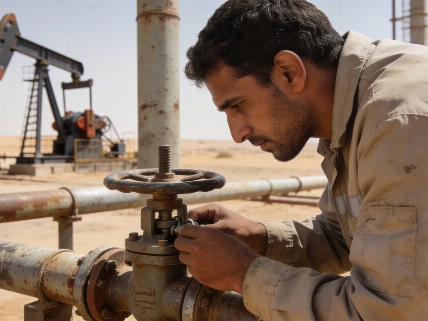
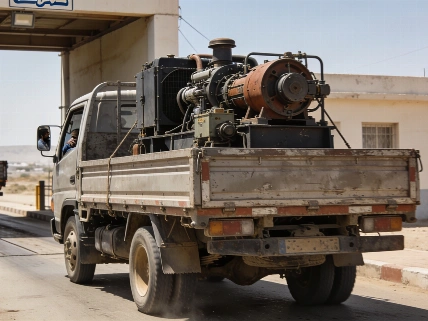
Existing pipelines could reduce the need to build wholly new routes. But conversion still calls for engineering assessments, safety standards and investment decisions. The project would also depend on Algeria's ability to build renewable electricity generation, electrolysis, water supply and storage capacity.
Reports put the share of the route that could use converted gas infrastructure at about 65%. Technical studies will determine the final design. It is not settled.
At the end of 2025, preliminary feasibility work was reported to cover potential production sites in Algeria, transport routes and European demand. Late-September 2026 coverage described the project as moving beyond political endorsement into technical, financial and investment planning. That work included the launch of a technical secretariat under UNIDO's aegis. These steps help prepare the project, but they do not amount to a final investment decision.
The commercial case depends on renewable-power prices, water availability, electrolyser costs and pipeline conversion requirements. It also depends on whether European buyers will sign long-term purchase contracts. Algeria already supplies natural gas to Italy through Tunisia, but hydrogen needs a different production and infrastructure chain. Existing energy links offer context, not proof that the hydrogen system is technically or commercially ready.
Algeria's state energy company Sonatrach and Germany's VNG are testing green-hydrogen production technologies in Arzew. In late September, a German business delegation visited Algeria and Tunisia to assess storage and green power-to-fuel processing capabilities. In 2025, the European Commission allocated €24 million to Snam for technical studies and preparation of the Italian network segment. That money covers studies and network preparation, not construction of the full corridor.
Algeria's wider energy agenda also includes conventional exploration. ALNAFT's planned seven-block offer, covered in an earlier report, is separate from SoutH2. It should not be treated as financing for the hydrogen project.
The October meeting matters because technical designs and study funding cannot replace affordable production or committed buyers. SoutH2 could diversify Algeria's exports and connect North African supply with European industry. For now, it remains a project under development, not a secured hydrogen trade corridor.