
Hydrogen Value Chain
7 articles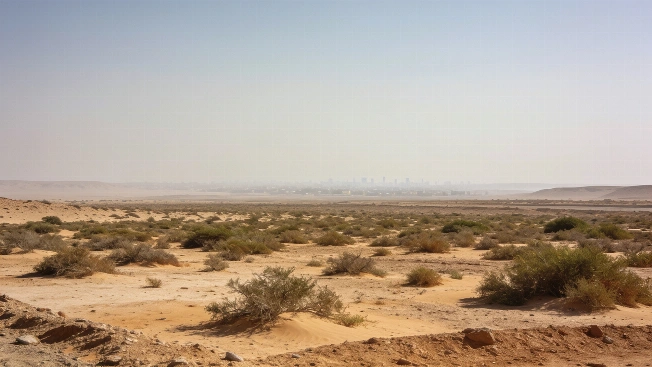
Morocco budget places four hydrogen projects in occupied Western Sahara
WSRW's reading of Morocco's 2027 draft Finance Bill places four of six planned green hydrogen projects in occupied Western Sahara. The bill records preliminary land contracts and pre-FEED studies but does not name sites or investor allocations.
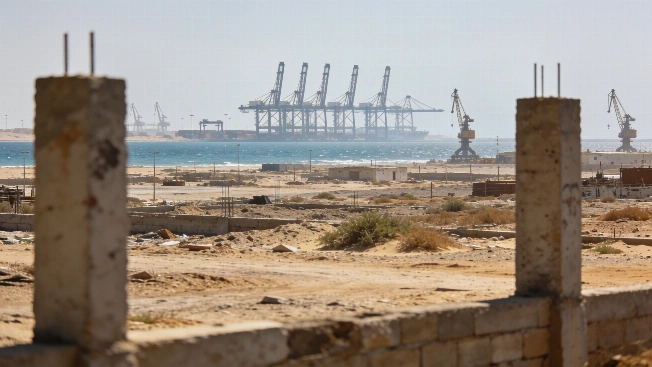
Egypt and Morocco Face Delivery Risks in Hydrogen Export Plans
Egypt and Morocco have the region's largest planned low-carbon hydrogen pipelines for 2030, but GlobalData says delivery is uncertain: most capacity remains at feasibility stage and exports face weak offtake and a Western Sahara legal complication.

Swedish Hydrogen Firm Backs Morocco's Western Sahara Proposal
S2H2+Bm has endorsed Morocco's autonomy proposal for Western Sahara while leaving the site of its planned hydrogen project undisclosed. WSRW and Artikel2 say their latest questions on location and human rights remain unanswered.
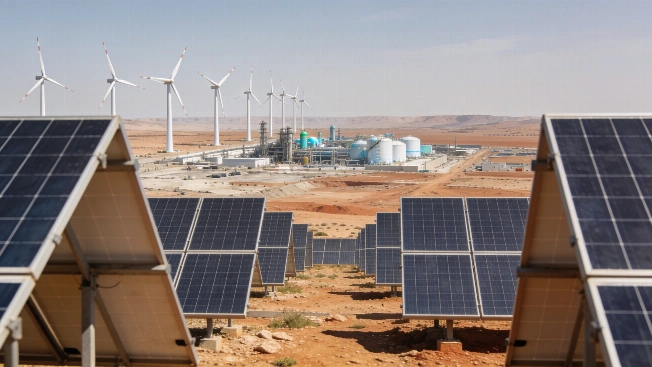
Morocco leads the Maghreb green hydrogen race
European industrial giants are committing billions to future low-carbon fuel supplies for the EU. But projects are lagging as costs rise, with buyers still scarce as Morocco emerges as the Maghreb's frontrunner.

Algeria Pushes SoutH2 Corridor Toward Europe
A 3,000 to 3,300-kilometre pipeline is proposed to move renewable hydrogen from Algeria and Tunisia into Europe. A five-country declaration advanced the plan in October 2026, but costs and investment remain unresolved.
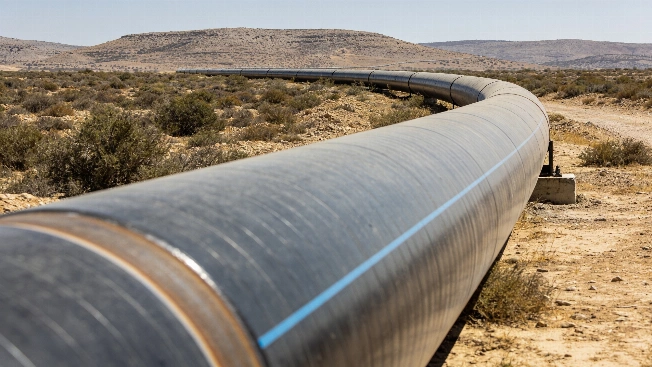
Five Countries Advance SoutH2 Hydrogen Corridor Plans
Ministers from Algeria, Tunisia, Italy, Austria and Germany signed the Algiers declaration on October 1, 2026. The corridor remains at the planning and feasibility stage, with no commercial deliveries underway.
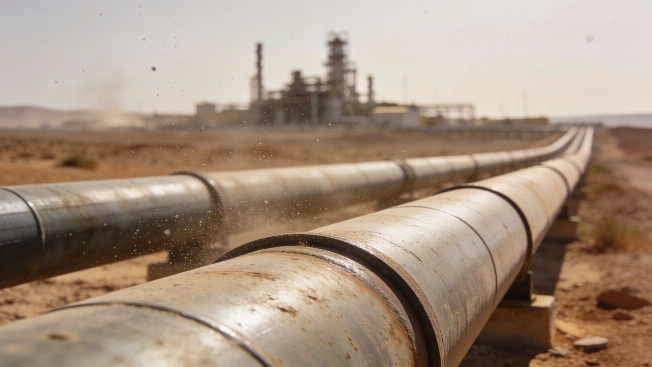
Algeria Moves SoutH2 Corridor Toward Investment Planning
Algeria will host Tunisia, Italy, Germany and Austria on October 1 to discuss the next stage of the 3,300-kilometre SoutH2 Corridor. Its proposed capacity of four million tonnes a year remains a target, subject to technical studies, infrastructure conversion, project economics and long-term buyers.