
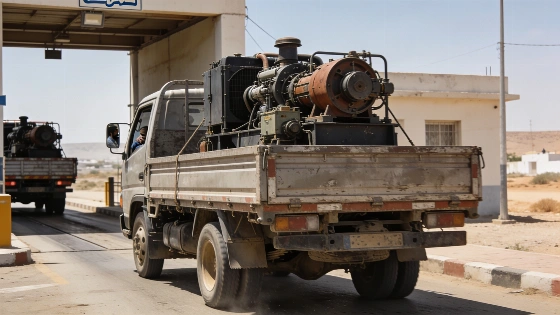
Bilateral trade reached around $2.76 billion after rising 166% over five years. A September business mission looked at ways to ease border logistics and build partnerships and joint production.
In Algiers, business leaders met from September 22 to 24, 2026, to discuss ways to ease trade across the Tunisia-Algeria border. Bilateral trade rose 166% over five years to around $2.76 billion, according to data from the Algerian office of Tunisia's Export Promotion Centre (CEPEX). The state news agency APS reported that CONECT International organized the mission with Algeria's CAPC. The growth is clear.
The next task is making cross-border business easier. The mission included business-to-business meetings and company visits. Participants also looked for new opportunities for Tunisian firms in the Algerian market.
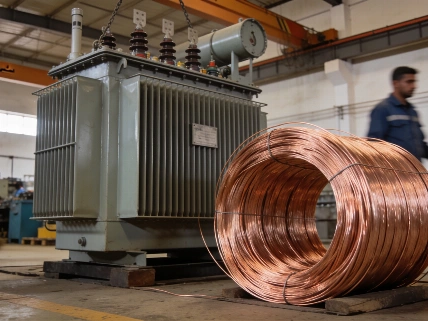
Mechanical and electrical industries account for 56.53% of Tunisia's exports to Algeria. Miscellaneous manufacturing industries make up 31.53%, while agri-food products represent 7.05%. Algeria is Tunisia's seventh-largest export market and fourth-largest supplier, according to figures presented at a meeting of business leaders and professional organizations from both countries. The export mix is concentrated.
The investment footprint is smaller, but it spans several sectors. Forty-three Tunisian companies operate in Algeria. About 30% work in mechanical and electrical industries, 23% in services, and 16% each in textiles and agriculture. Algeria's Investment Promotion Agency (AAPI) Director General Omar Rekkache received the delegation. He said the agency was ready to support Tunisian investors, help with project procedures and identify investment opportunities, according to APS reporting.
The mission followed a cooperation memorandum signed in May 2026 between CEPEX and Algerian partners. The memorandum aims to strengthen economic ties between the private sectors. It provides a basis for continued business contacts. The discussions and proposals reported so far do not establish new agreements or investment commitments. That distinction matters.
Participants recommended making it easier to import automotive components and parts made in Tunisia, in exchange for easier entry for assembled vehicles from Algeria. They also called for better infrastructure at border crossings and storage facilities. Other proposals included faster establishment of cross-border free-trade zones and harmonized technical standards and regulations. These remain proposals, not reported outcomes.
Trade already benefits from tariff reductions of up to 40% under the bilateral preferential trade agreement, as well as tariff exemptions under the Greater Arab Free Trade Area (GAFTA). Participants also pointed to better logistics coordination and greater use of the Trans-Saharan Highway to support joint exports and reach African markets. Tunisia's commercial agenda is one part of its wider regional picture. Recent protest coverage has tracked a separate set of social and political demands at home.
The trade figures offer a strong base. Tariff preferences alone cannot deliver deeper integration. Businesses and authorities will need to turn the proposed changes to border facilities, storage and standards into workable conditions for trade and joint production. AAPI has said it is ready to support Tunisian investors. Putting that offer into practice will depend on both sides.