World Bank figures put Tunisia's tax revenue at 26.1% of GDP in 2025, while Lotfi Ben Aïssa estimates the tax burden at 35.5%. He says reform should ease the load without abandoning social commitments, but the two figures measure different things.
World Bank figures cited in a La Presse de Tunisie report put Tunisia's tax revenue at 26.1% of GDP in 2025. Indirect taxes made up 14.8% of GDP, while direct taxes accounted for 11.3%. These figures show the weight of indirect taxation. They are not the same measure as the 35.5% estimate cited by university professor Lotfi Ben Aïssa.
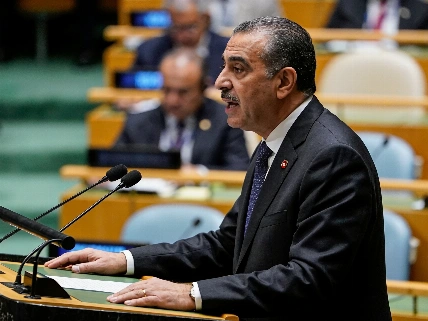
Ben Aïssa, a specialist in the social and solidarity economy, gave that estimate in an interview with Express FM. He put Tunisia's tax burden at around 35.5%, more than twice the African average of approximately 16%. He said reform should lower the burden without weakening the state's social commitments. The measures differ. Without aligned definitions and reference years, the comparison with the African average should not be treated as a direct comparison of tax revenue across countries.
Ben Aïssa described the tax system as structurally imbalanced. Individuals account for 68% of the direct tax burden, while businesses contribute less than one-third, he said. He argued that this distribution should be reversed. The debate is about more than the overall level of taxation. It is also about who pays.
Indirect taxes generate 59% of tax revenues, compared with 41% from direct taxes, according to Ben Aïssa. The World Bank figures reported by La Presse also show indirect taxes exceeding direct taxes as a share of GDP. That distinction matters. One comparison gives each tax type's share of tax revenue; the other gives each type as a share of GDP. Both point to the weight of indirect taxes, but they are not identical measurements.
The fiscal debate is unfolding amid budget pressure and energy constraints. The World Bank was reported as forecasting Tunisian GDP growth of 2.3% in 2026. The 2026 finance law included new charges affecting large stores, changes to VAT on imported solar panels and a wealth tax. Most provisions took effect on 1 January 2026. Policymakers face competing demands: raise revenue, support public services and avoid adding pressure on households and businesses.
Transparency is another point of concern. Webdo reported that a parliamentary committee had not received first-half 2026 budget execution data or the assumptions used to prepare the 2027 budget proposal. A separate September overview reported direct Central Bank financing to the Treasury of 11 billion dinars and projected public debt at 84.2% of GDP in 2026. Those figures show the constraints on fiscal policy. The committee's concern also points to the need for timely budget information.
Regional comparisons need care. National tax ratios can only be compared meaningfully when their definitions and periods align. Official news services such as Tunis Afrique Presse and Algeria's Algerian Press Service report on policy developments in their countries. Regional reporting alone does not make different tax measures equivalent.
Tax policy is one of several social issues in Tunisia. Protests have included calls for jobs and dignity. The available information does not establish a direct link between those demands and the tax structure. The link is unproven.
Ben Aïssa sees tax reform as a lever for changing Tunisia's development model. His figures point to two challenges: the high overall burden and the imbalance between individual and business contributions. Reform must also protect social commitments. The test is not simply whether the state collects less. It is whether the burden can be shared more fairly without undermining public services or fiscal stability.