ALNAFT will present seven onshore exploration blocks to investors at African Energy Week 2026 in Cape Town. Fifty-three companies had registered by September, but interest across the portfolio does not confirm that any will bid.
ALNAFT will meet investors in Cape Town from October 12 to 16, with bids for Algeria's latest upstream licensing round due on November 26. The conference gives the agency a chance to discuss the tender before the deadline.
By September, 53 companies had registered for the round. Interest had been reported across all seven blocks. Not a bid yet.
Investor access and the November deadline
ALNAFT launched the round in April. Virtual Data Rooms opened to qualified investors in June, giving them remote access to technical information. It was the first use of the digital platform in an Algerian licensing round. Contracts with Sonatrach are scheduled to be signed by January 31, 2027.
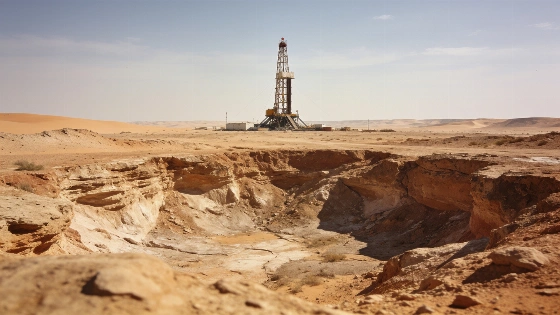
The acreage covers Illizi Centre 1, El M'Zaid North, El Borma II, East Bordj Omar Driss 1, El Hadjira III, El Benoud East and Touggourt South. The blocks lie across the Illizi, Berkine and Oued Mya basins. Exploration can run for up to seven years, with a possible two-year extension. The exploitation period is 30 years and may be extended by ten years. The terms stretch decades.
A broader upstream investment test
Before the tender, ALNAFT ran a nomination process for 24 onshore blocks. The portfolio included 13 development and exploration projects and 11 exploration opportunities. Some included discoveries that still need further appraisal. The 2026 process follows the 2024 round, which offered six blocks. Five hydrocarbon contracts from that round were concluded in 2025.
The government aims to attract about $60 billion to the energy sector between 2025 and 2029. Roughly 80% is intended for upstream exploration and production. Algeria also aims to keep gas output above 10 billion cubic feet a day. These are policy and production goals, not proof that the investment or output targets have been met. Targets are not results.
The wider investment picture includes asset development and efforts to restore productive capacity. Algeria's state news agency APS reported that several plants recovered through anti-corruption efforts are to be relaunched. That report concerns industrial assets generally. It does not establish that the plants are part of the hydrocarbons programme. Separately, Niger's official news agency ANP recorded a working visit to Niger by Algeria's hydrocarbons minister. The notice shows regional engagement, but it does not confirm a new bilateral energy agreement.
Other upstream projects are also moving ahead. TotalEnergies and QatarEnergy received the Ahara exploration and exploitation contract after the previous round. It covers about 14,900 square kilometres where the Berkine and Illizi basins meet. Sonatrach is negotiating directly with Chevron and ExxonMobil over opportunities in Ahnet and Berkine. Sinopec has entered Illizi and Ghadames under risk-service contracts. USGS estimates that technically recoverable unconventional gas in the Ahnet and Grand Erg basins totals 80.1 trillion cubic feet. Not commercial reserves.
Morocco's gas infrastructure plans have faced delays, as detailed in this report on the Nador gas terminal. Algeria, by contrast, is seeking upstream investment and sustained production growth.
AEW gives investors a chance to review the acreage and contract terms while the bid window remains open. The test is whether registered interest turns into competitive bids and signed contracts. Until then, Algeria's production goals and investment programme remain targets, not delivered outcomes.