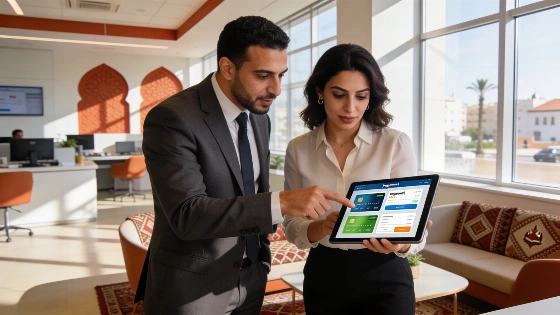
Djezzy has secured initial approval from the Bank of Algeria to set up Djezzy Payment Services, opening a path for telecom-driven digital payments and signalling rising competition in Algeria's changing financial sector.
Algeria's Bank of Algeria has approved Djezzy, one of the country's biggest telecom operators, to set up Djezzy Payment Services. The Central Bank's board, led by Governor Mohand Bouarai, made the decision public on September 23, 2026. The official statement, published by the Algerian Press Service (APS), confirms that non-bank players are moving into the country's financial sector.
The approval allows Djezzy to establish a payment unit under the Payment Service Provider (PSP) rules set out in Regulation No. 25-02 and the 2023 Monetary and Banking Law. The structure aims to modernise Algeria's financial system, allowing non-bank companies such as telecoms and digital platforms to offer payment services under direct Central Bank oversight. The Ministry of Finance and APS have both outlined these changes.
Regulatory pathway and market entry
The approval permits Djezzy to set up the PSP company, but it is not a full banking licence. Djezzy Payment Services, part of Optimum Telecom Algérie, now has up to 12 months to meet all regulatory and operational requirements. It can then apply for final approval from the Bank of Algeria. Without that licence, Djezzy cannot begin commercial operations. The Central Bank's guidelines require new players to follow the same rules as established banks, a point the national regulator has reiterated in recent statements.
The move fits Algeria's push to grow cashless payments and bring more people into the financial system. The Ministry of Post and Telecommunications has made this a priority in recent statements. The PSP rules target non-bank companies and aim to encourage new idea and competition while keeping oversight strong. Djezzy's large subscriber base and digital network position it to offer new payment tools to millions of Algerians, potentially accelerating the country's digital shift.
Regional trends and competition
Djezzy's entry into digital payments follows a wider trend in the Maghreb and across Africa, where telecom operators are becoming more involved in fintech. In Morocco, financial authorities have backed similar moves to boost digital payments, as reported by the Maghreb Arab Press (MAP). In Tunisia, the Tunis Afrique Presse (TAP) has covered the government's efforts to modernise payment systems and involve private companies. Across Africa, telecom-led payment platforms such as Kenya's M-Pesa and Nigeria's Payment Service Banks have shown how telecoms can lead financial inclusion and introduce new services under Central Bank rules.
In Algeria, Djezzy's move could intensify competition between banks and payment providers, giving consumers more choice and helping digital financial services gain ground. On September 12, 2026, Djezzy signed a structure deal with the General Union of Algerian Traders and Artisans (UGCAA) to support business digitalisation. The agreement reflects Djezzy's commitment to advancing Algeria's digital economy. The move aligns with regional efforts to modernise business and payments, including Morocco's work in the auto sector and Tunisia's e-government projects.
The region has already seen tech-driven changes in areas such as clean mobility, as reported earlier in Morocco's auto industry. Official updates on Algeria's financial reforms are available in the APS economic bulletin.
Editorial perspective
Djezzy's initial approval signals the Bank of Algeria's move to open the payments market to non-bank companies while maintaining oversight. If Djezzy meets all the requirements over the next year, Algerians could soon have more ways to pay digitally and manage their money. The development puts Algeria in a leading position as telecoms and fintech converge across Africa, a trend recognised by regional authorities and the African Union's economic agenda.