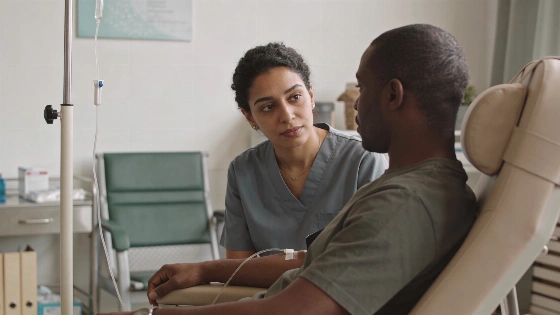
From screening guidance to support during metastatic disease, oncology nurses help women navigate breast cancer care in Algeria. The source calls for stronger continuing education and closer teamwork.
A metastatic diagnosis can bring prolonged treatment and uncertainty alongside isolation, family strain and difficulties at work. For women facing breast cancer in Algeria, nurses can help address these pressures throughout the care pathway.
Their work includes explaining screening options and treatments, recognising distress and helping patients connect with other professionals. The source argues that stronger training and collaboration could improve care and quality of life.
Keeping screening advice within reach
Pink October campaigns raise awareness in Algeria and encourage women to consult healthcare professionals. The source calls for these efforts to continue throughout the year in health facilities, community services, workplaces and local communities.
The World Health Organization Regional Office for Africa's 2022 assessment of breast-cancer control capacities covered 42 countries, including Algeria. It estimated Algeria's breast-cancer incidence rate at 61.87 cases per 100,000 women. Algeria was among five countries reporting an organized breast-cancer screening or early-diagnosis programme; across the region, screening or early diagnosis remained predominantly opportunistic, reported in 37 of the 42 countries. The assessment also examined national treatment-guideline capacity. These regional figures describe reported programmes and capacity, not universal access to screening or follow-up. The findings are set out in the WHO's 2022 regional assessment.
Nurses can explain known risk factors and encourage medical advice when a woman notices a suspicious sign or symptom. They can also discuss screening options in light of her age and individual risk, following current medical recommendations. The aim is earlier consultation and fewer delays in diagnosis.
Breast cancer is a major public-health concern worldwide. The International Agency for Research on Cancer reported more than 2.26 million new cases in 2020; its 2022 estimate exceeded 2.31 million, when breast cancer ranked second among cancers worldwide after lung cancer. Incidence figures count new cases and are distinct from mortality figures. The IARC's breast-cancer overview provides global context for prevention, diagnosis and treatment.
Education through diagnosis and treatment
After diagnosis, patients may ask which treatments are available and what side effects to expect. They may also want to know how to maintain independence, continue family or professional routines, or whether hair grows back immediately after chemotherapy.
Nurses can offer clear explanations tailored to each patient. They also discuss safety precautions, help patients recognise treatment-related side effects and encourage prompt reporting of concerning symptoms. Regular information can support treatment adherence and continuity of care, particularly where geographical, organizational or social constraints complicate care pathways.
Breast cancer also affects younger women. A GLOBOCAN-based analysis recorded 43,121 cases among women aged 15-39 in Africa in 2022, with an age-standardized incidence rate of 16.0 per 100,000 in that age group. The same analysis recorded 16,574 deaths among African women aged 15-39, with an age-standardized mortality rate of 6.2 per 100,000. These age-specific figures do not set a screening age for Algeria; they underline the importance of timely clinical assessment when symptoms arise.
Support for patients and families
For people with metastatic disease, nursing care extends beyond technical procedures. By listening closely and staying accessible through regular contact, nurses can build trust, notice signs of distress and refer patients to appropriate professionals.
Care may need to address physical concerns alongside psychological distress, social pressures and relationship difficulties. Coordination with medical oncologists and radiation oncologists can involve psychologists, social workers or other healthcare professionals when appropriate.
Partners, children and other relatives may also face anxiety or emotional exhaustion. Nurses can help families understand treatment and warning signs while respecting the patient's consent, confidentiality and privacy. Family involvement should follow the patient's wishes, and relatives may need information or someone to listen to them too.
A 2025 study in BMC Nursing described a mismatch between nursing-care models and breast-cancer survivors' lived experiences, with unmet needs and disparities in health literacy. Its authors called for changes to rehabilitation training for specialist nurses. The study offers comparative evidence on survivorship care and education.
Training and teamwork
The source calls for continuing education for oncology nurses in prevention, patient education, communication, adverse-effect management and supportive care. It also says their participation in awareness campaigns and health education initiatives should be organised systematically. Research on nursing support around suspicious breast lesions has also included psychoeducational interventions: N. Allard's study, published in the Canadian Oncology Nursing Journal in 2006, examined day surgery and recovery for women with a suspicious breast lesion.
A separate 2027 programme will offer Algerian cancer researchers and clinicians short-term training at U.S. cancer centres, as described in an earlier report. The source also calls for closer coordination between medical teams and public health services, with patient associations involved in prevention and support efforts.