Qatar's $1 billion Libyan oil deal and Gulf-backed projects in Algeria are drawing capital to North Africa's energy sector. Libya's new licensing round offers fresh openings, but political divisions and infrastructure needs remain central to the investment risks.
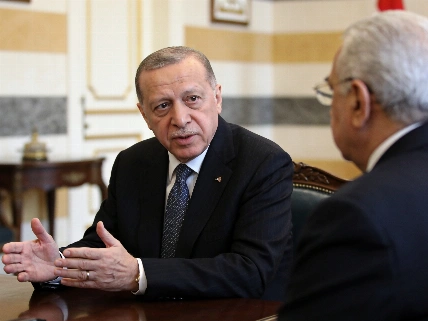
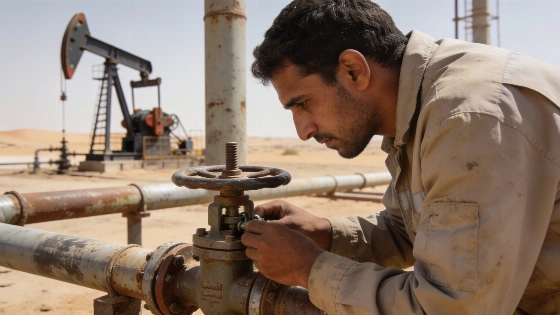
Qatar's UCC Holding has agreed to invest $1 billion in Libya's Ghadames Basin. The stated goal is to raise output from 33,000 to 80,000 barrels a day. The deal puts Gulf money behind oil expansion in a country where political divisions have long complicated foreign investment.
Algeria is also drawing Gulf-backed projects. Its state energy company is seeking foreign expertise and capital to modernize infrastructure. Investors see opportunities in both countries, but the risks remain sharper in Libya.
In February 2026, Libya completed its first major oil and gas licensing round in 17 years. Chevron, Eni, QatarEnergy, Repsol, MOL, Aiteo and TPAO were among the winners. Industry reporting said five of the 22 offered blocks were allocated. In August, Chevron signed a production-sharing agreement for block S4. The awards point to renewed interest, but do not settle Libya's political or operating uncertainties.
Oman's OQEP signed a contract to explore investment opportunities in Libya a few weeks before UCC Holding's agreement. In July, board chairman Ashraf Al Mamari told Arabian Gulf Business Insight that the aim was to ensure production did not rely only on exports from the Strait of Hormuz. Libyan Prime Minister Abdul Hamid Dbeibah also visited the United Arab Emirates and Qatar that month to encourage partnerships.
Gulf engagement with both Tripoli and Benghazi goes back years. Libya's political split remains central to investment decisions. The struggle to unite its institutions also featured in coverage of the political process.
Some institutions have moved closer together. Libya's central bank was reunified in 2023, and authorities approved a common state budget in April. The licensing round is another sign of activity. Masoud Suleiman has led Libya's National Oil Corporation since October 2025, after serving as acting chairman from January of that year, according to industry reporting.
Estimates help explain the interest, though they are not booked reserves. Gulf Times, citing an Enverus report, described roughly 10 billion barrels of available resources and another 18 billion barrels of potential undiscovered resources. The commercial case is clear. Rival governments and militia influence mean access still depends on navigating Libya's fractured political landscape.
Gulf-backed projects in Algeria have reached around $9 billion over the past 18 months. Saudi Arabia's Midad Energy signed a $5.4 billion oil and gas deal in October 2025. Qatar's Baladna dairy venture, valued at $3.5 billion, is in its second phase. Separately, a contract for the second phase of the Hassi Bir Rekaiz field was concluded in 2025 after an international tender. Its value was reported at about $1.1 billion.
Algeria's state-owned Sonatrach plans to raise production and drill 1,450 wells by 2030. The company needs foreign expertise and capital to modernize its infrastructure. Launched on April 19, the Algeria Bid Round 2026 covers seven blocks. Bids are due by November 26. Algerian energy-sector reporting and the country's APS news agency have provided updates on the licensing process and the wider investment environment. The tender calendar means the round remains open as of September 2026.
Gulf investors are not the only ones pursuing North African projects. The United States has increased its engagement. European countries, Turkey and China are also seeking a share of the market. Libya and Algeria are close to European markets, and business intelligence adviser Mohamed Dorda views them as strong candidates to help meet global energy needs. Morocco's MAP news agency offers reporting on regional investment and economic ties. UNECA's regional work examines the wider development and trade landscape.
Capital is already moving into projects as Libya reopens licensing and Algeria looks for partners in production and infrastructure. The investment case is credible, but the conditions differ. Libya's political fragmentation remains a direct operating concern. Algeria needs the expertise and financing to support its expansion. Investors will need to assess each country on its own terms.
For official regional reporting, Algeria's APS news service and Morocco's MAP agency offer country-level coverage alongside industry reporting on the Maghreb's investment climate.