At a Cairo meeting, Badr Abdelatty backed the UN roadmap and simultaneous presidential and parliamentary elections. Its first steps include work on election laws and a new elections commission board, but disputes over legal approval and Libya's divided institutions remain unresolved.
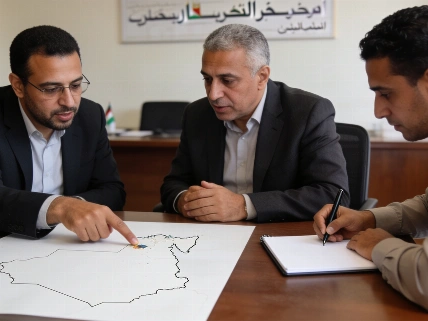
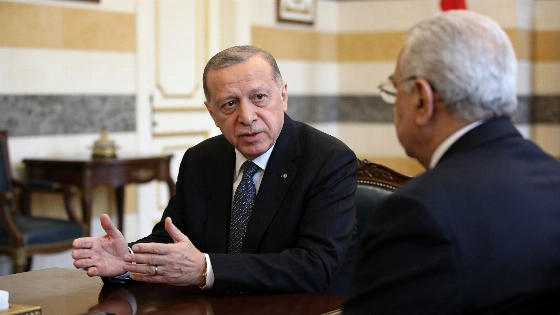
Libya has held no national elections since the failed 2021 vote. In Cairo, Egyptian Foreign Minister Badr Abdelatty urged progress toward simultaneous presidential and parliamentary elections during a meeting with UN envoy Hanna Tetteh. Egypt's foreign ministry said they discussed Libya's political and security situation and the UN roadmap. Anadolu Agency reported that Abdelatty restated Cairo's support for elections and a Libyan-owned settlement.
No date was announced. The meeting put Egypt's preferred path on record: end transitional periods, unify state institutions and keep the process under Libyan ownership. UNSMIL's phased roadmap aims to bring Libya to presidential and parliamentary elections within 12-18 months. Early steps include reforming the electoral framework, reconstituting the High National Elections Commission board and advancing institutional unity.
Recent Libyan talks produced a de facto understanding on two early roadmap steps. They include replacing the elections commission board and addressing unresolved constitutional and legal questions tied to the presidential and legislative votes. The understanding is not a completed legal settlement. Libya's High Council of State says it remains a political understanding until both chambers complete the formal process. The council has also challenged changes to the presidential election law as unconstitutional.
Tetteh briefed Abdelatty on the roadmap's implementation and work on unresolved questions in the constitutional and legal framework, according to Egypt's foreign ministry. Those rules remain part of the work ahead. The Cairo statement did not say the outstanding issues had been settled. Earlier UN-backed efforts also stalled over disputes about the elections' legal and constitutional basis.
Abdelatty said Egypt supports a comprehensive Libyan political settlement. He stressed that Libyans must own and lead the process. He also called for respect for Libya's unity, sovereignty and territorial integrity. Cairo has stated a preference for simultaneous presidential and parliamentary elections rather than another open-ended transition.
Libya's political divide runs between the Tripoli-based Government of National Unity, led by Abdulhamid Dbeibeh, and an eastern-based administration led by Osama Hammad and backed by the House of Representatives. That split makes it harder for diplomatic efforts to secure agreement on election rules and put them into effect across the country. Earlier reporting on the divided political landscape included a contested diplomatic report that remained unconfirmed.
Regional diplomacy is part of the effort. Egypt, Tunisia and Algeria revived their Tripartite Consultation Mechanism in May 2025. It had been suspended since 2019. The three countries' foreign ministers use the mechanism to support Libya's unity, sovereignty and stability. Their shared interest in a Libyan settlement has also led to coordinated regional engagement.
The Cairo meeting reinforces a diplomatic priority. It does not settle the institutional divide or disputes over the election framework. Until the relevant bodies complete the legal process and agree on workable rules, simultaneous elections remain an objective, not a scheduled vote. Progress on the UN roadmap will depend on those steps.