
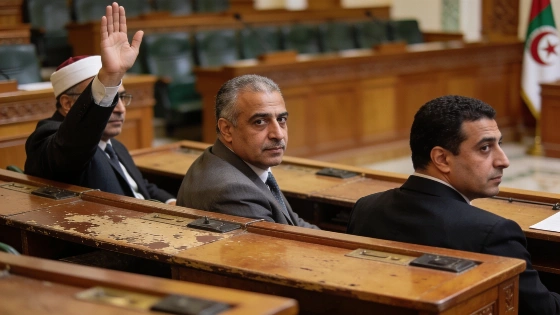
On 1 October, Algeria's lower house approved changes that would make deliberate forest and field arson, and child abduction in specified circumstances, punishable by death. The bill still has further legal steps to clear, and the vote does not end the execution moratorium in place since 1993.
On 1 October 2026, Algeria's lower house voted to add deliberate arson of forests and fields, and child abduction, to the offences punishable by death. The vote does not put the amendments into force. Nor does it mean executions will resume.
The Algerian Press Service (APS) reports that the bill must still pass the upper house. The president must then promulgate it, and it must be published in the official gazette. Until those steps are complete, the vote is approval of proposed changes, not a change in the law. Not law yet.
Algeria has had a moratorium on executions since 1993, but courts have continued to impose death sentences. The vote widens the range of offences carrying that penalty. Executions, though, have not been carried out for decades.
The amendments followed deadly wildfires in northern Algeria this summer. The fires brought public pressure for tougher penalties. The revised provisions cover deliberate burning of forests and fields, fires that can destroy rural communities, farmland and livelihoods. AFP describes the vote as a response to the devastating fires. That does not prove every major blaze was deliberate or part of an organized campaign.
The child-abduction provisions allow harsher treatment when a kidnapping involves torture, sexual assault or mutilation. Justice Minister Lotfi Boudjemaa has said the changes would strengthen child protection while preserving fair-trial guarantees. Those are the stated aims. They do not settle concerns about how widely the offences could be interpreted or whether intent can be reliably proved in individual cases.
Human rights groups have called the measure rushed. They warn that its scope could extend capital liability beyond direct perpetrators to people who incite or facilitate arson. The terms' breadth, along with the new child-abduction offences, raises questions about proportionality, evidence and safeguards when cases are prosecuted amid intense public anger. The stakes are high.
Officials have also described some catastrophic fires in national-security terms, with suggestions of organized or subversive activity. Those claims are not the same as established findings in individual investigations. Available reporting does not show that all major fires were deliberate or orchestrated. Investigators and courts will have to distinguish intentional arson from other causes of fire.
Algeria has used similar sovereignty language in regional diplomacy. Niger's prime minister credited Algiers with helping Niamey withstand outside pressure, as an earlier report described. That diplomatic issue is separate. It does not establish a connection to the penal-code amendments.
The vote comes amid a continuing debate over capital punishment and its deterrent effect. Supporters may see the maximum penalty as a proportionate response to irreversible harm. Critics say there is no evidence that expanding the list of offences punishable by death prevents impulsive crimes or planned sabotage. Amnesty International has warned specifically about the legislation's breadth and the speed of its passage.
Algeria's lower house has voted for a harsher response to public alarm. The vote alone does not show that the threat of execution will prevent kidnappings or fires. The bill still faces legislative and constitutional steps. The execution moratorium remains in place. For now, the change is proposed on paper, with no demonstrated gain in public safety.