
Public Finance and Sovereign Debt
11 articles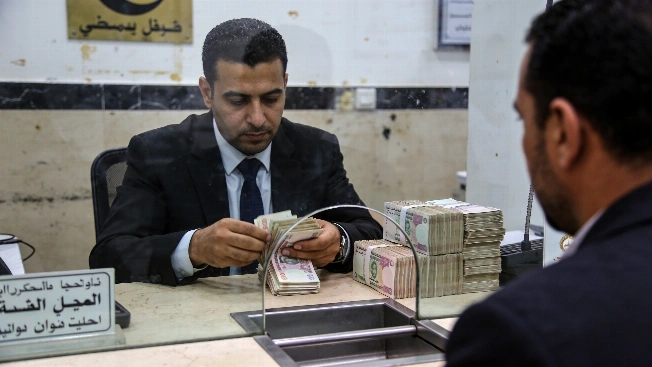
Libya faces hard questions over Central Bank crisis management
A new book by Saddek Omar Elkaber and Michael G. Schaeffer is set to detail the Central Bank of Libya's crisis years. But the real test is in the numbers-currency value, money supply, and the cost of decisions that shaped daily life.
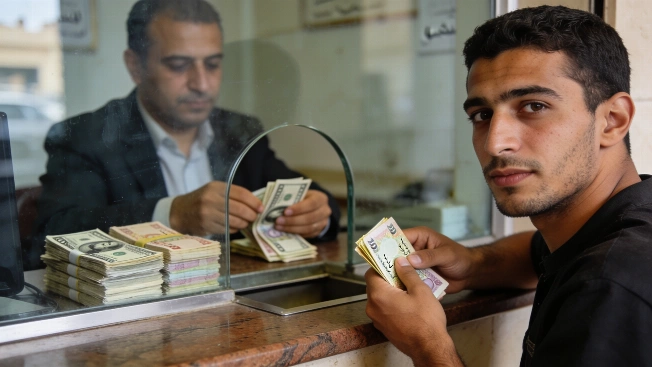
Libya moves to inject foreign currency as dinar slides on black market
The Central Bank of Libya is preparing to inject foreign currency into the market in an effort to halt the dinar's slide, following recent improvements in economic indicators and new agreements with international partners.
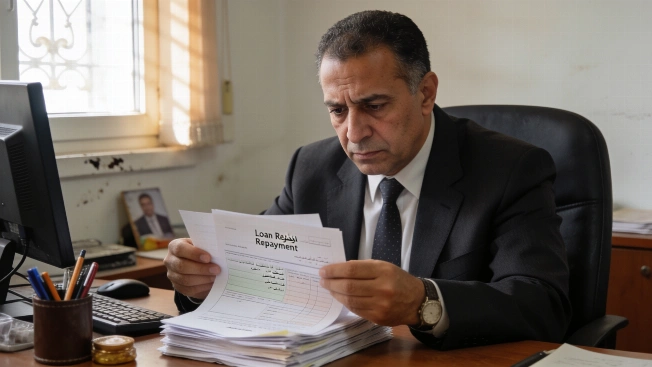
Moroccan civil servants face record debt burden as banks fuel borrowing
Moroccan civil servants now devote an average of 44% of their income to debt repayment, the highest among all occupational groups, as banks and finance companies compete to extend credit amid stagnant wages and rising living costs.
Algeria faces fiscal strain as non-oil sectors struggle to offset energy losses
Algeria's push to diversify away from oil and gas is showing early momentum in industry and mining, yet the country's public finances remain exposed as energy revenues falter and the budget deficit widens beyond 10 percent of GDP.

Tunisia Faces Rising Debt as Fitch Maintains B Minus Rating
Fitch Ratings has kept Tunisia's sovereign rating at B minus with a stable outlook, highlighting the country's ability to withstand external shocks but warning of persistent fiscal deficits and mounting government debt that far exceed regional peers.
Mauritania Faces IMF Pressure to Overhaul Public Sector Financial Data
Mauritania's finance ministry is under renewed scrutiny as the IMF pushes for a comprehensive upgrade of public institution financial data, with officials debating how to modernise collection and verification systems to meet international standards.
Senegal Agrees to IMF Debt Restructuring for $2.2 Billion Programme
Senegal has reached a staff-level agreement with the IMF for a $2.2 billion, three-year financing programme, contingent on the government restructuring its debt to restore fiscal sustainability after previously undisclosed liabilities came to light.
Mauritania Caps Financial Transfer Tax at 200 MRU for All Transactions
Mauritania's tax authority has set a maximum limit of 200 new ouguiyas on the tax applied to financial transfers, regardless of the transaction amount. The measure, effective by 1 September, aims to standardise costs for bank clients and ensure regulatory compliance.
Libya's Foreign Currency Usage Rises 4.2% to Nearly $16 Billion by July
The Central Bank of Libya reports that banks used US$ 15.987 billion in foreign currency from January to July 2026, a 4.2% increase over the previous year, raising concerns about reserve depletion and the political sensitivity of currency allocation.
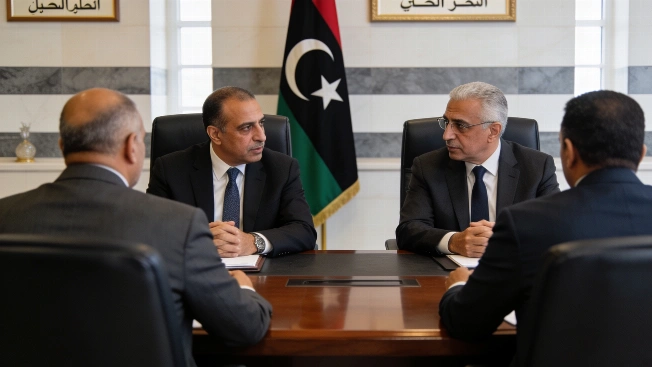
Libya's Central Bank and Government Reaffirm Unified Spending Commitment
Libya's Central Bank Governor Naji Issa and Prime Minister Abdel Hamid Aldabaiba have reiterated their commitment to the US-brokered Unified Spending Agreement, aiming to strengthen fiscal and monetary coordination and ensure compliance with agreed financial measures.
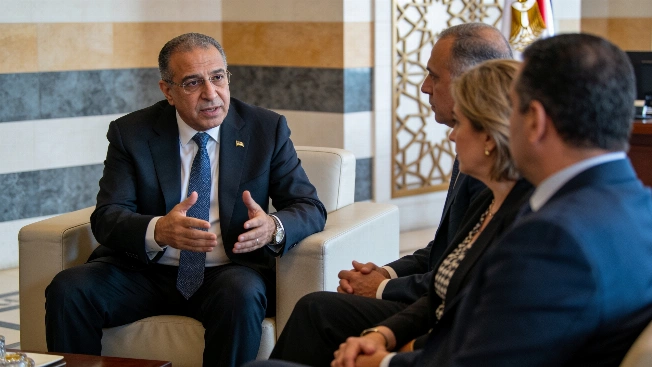
Egypt's Investment Risk Rating Hits Lowest Level Since 2014
Egypt's investment risk rating has dropped to its lowest point in a decade, according to Finance Minister Ahmed Kouchouk, as international investors respond positively to recent economic reforms and renewed private sector growth.