
The Central Bank of Libya reports that banks used US$ 15.987 billion in foreign currency from January to July 2026, a 4.2% increase over the previous year, raising concerns about reserve depletion and the political sensitivity of currency allocation.
The Central Bank of Libya (CBL) has disclosed that Libyan banks' total foreign currency usage reached US$ 15.987 billion between January and July 2026, marking a 4.2% increase compared to the same period in 2025. This rise, amounting to nearly US$ 651 million year-on-year, highlights ongoing pressures on Libya's foreign reserves and the persistent debate over the allocation of oil-generated hard currency.
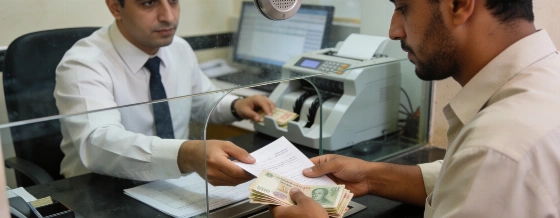
According to the CBL's latest statistical release, letters of credit accounted for the largest share of foreign currency outflows at US$ 8.3 billion. Personal foreign currency usage stood at approximately US$ 5.3 billion, with remittances totaling US$ 2.3 billion and merchant card transactions at US$ 39 million. The data underscores the scale of Libya's import dependency and the central role of the banking sector in facilitating access to foreign exchange.
Import Patterns and Leading Beneficiaries
The CBL published a ranking of around 100 countries supplying goods and services to Libya via letters of credit and remittances. The top ten import partners were Turkey, China, Egypt, Italy, Russia, Germany, India, Tunisia, Ukraine, and France. This pattern reflects Libya's diversified sourcing for imports, with Turkey and China maintaining leading positions.
On the corporate side, 2,763 private sector companies and factories had their requests for foreign currency approved by commercial banks during the first seven months of 2026. The largest single applicant was Al-Naseem Food Industries, based in Misrata and owned by House of Representatives member Mohamed Raied, with purchases exceeding US$ 111 million. Africa Beverage Packaging Company and Al-Hazzaz Tourism Services and Investment Company followed, with US$ 83 million and over US$ 68 million respectively.
Political Sensitivities and Reserve Risks
The distribution and use of Libya's oil-derived foreign currency remains a politically charged issue. Questions persist over the criteria for granting hard currency requests, the transparency of allocation, and the impact on the black-market exchange rate, which affects the broader population. The CBL's management of these flows is closely watched by both domestic stakeholders and international observers.
There are mounting concerns that successive interim governments since 2011 have drawn down, rather than replenished, Libya's foreign reserves. The lack of economic diversification and limited progress in expanding the hydrocarbon sector have heightened these risks. The sustainability of current spending patterns is under scrutiny, especially as the country continues to rely heavily on oil exports for revenue.
Libya's economic challenges are compounded by infrastructure and service delivery issues, as seen in other sectors such as electricity, where the General Electricity Company of Libya recently reported handling nearly 10,000 power outage calls in a single day. These pressures reinforce the importance of prudent financial management and institutional reform.
What to Watch Next
Observers will be monitoring whether the CBL introduces new measures to tighten foreign currency controls or improve transparency in allocation. The evolution of Libya's foreign reserves, the stability of the official exchange rate, and any policy shifts affecting import priorities will be key indicators for the country's economic trajectory in the coming months.