Libya's General Electricity Company (GECOL) received 9,750 citizen calls about power outages in a single day, with most issues reportedly resolved through rapid coordination between the new reporting centre and technical teams.
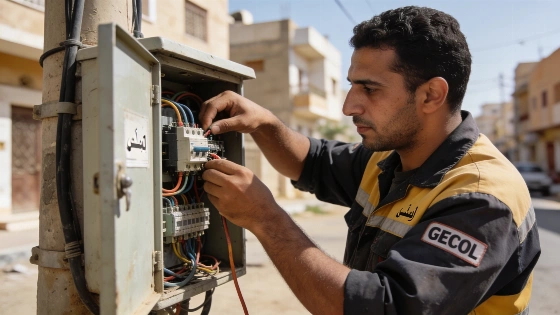
The General Electricity Company of Libya (GECOL) announced that it received 9,750 calls from citizens reporting power outages and technical malfunctions since early Friday morning. According to GECOL, the majority of these incidents were addressed in coordination with field maintenance teams, reflecting a significant operational response to widespread electricity disruptions.
The Central Emergency and Reporting Room, established on the instruction of Tripoli-based Prime Minister Abdel Hamid Aldabaiba, has become the focal point for citizen complaints about sudden outages. GECOL stated that both the reporting centre and maintenance teams will continue to operate around the clock to address new reports and restore service as quickly as possible.
New Leadership and Public Communication
The recent appointment of Bashir Al-Marash as GECOL Chairman marks a shift in the company's approach to public engagement. Unlike his predecessor, who was criticised for limited communication during previous power crises, Al-Marash has overseen increased transparency and responsiveness. The creation of the reporting centre was a direct response to government instructions aimed at improving service delivery and public trust amid ongoing infrastructure challenges.
Public Expectations and Social Stability
The high volume of calls-remarkable in a context where direct citizen complaints to utilities are not the norm-highlights the scale of public frustration with electricity supply. Authorities hope that improved responsiveness will help channel public anger away from protests and unrest, which have previously included demonstrations, road blockades, and attacks on state facilities. The government faces continued pressure to deliver reliable electricity alongside other basic services such as security, water, and fuel.