A commentary says remarks attributed to Donald Trump could point to a Turkish gain in Libya after an alleged Italian policy shift. Turkey has longstanding ties and influence, but no verified agreement or transfer shows it is taking Italy's place. Energy disruption and a nationwide teachers' strike reveal pressure at home.
The argument rests on remarks attributed to Donald Trump about Recep Tayyip Erdogan being pleased. A commentary published by mittdolcino.com uses them to predict that Libya's oil wealth may shift toward Turkish control.
But the article names no agreement, handover or specific decision that would establish such a shift. That is not proof.
Turkey has been involved in Libya for years. Ankara and authorities in Tripoli signed a maritime agreement in 2019. The agreement later formed part of the basis for expanded Turkish political and military influence in the region. That history explains Turkey's established position, but it does not show that Italy has handed influence to Ankara.
The commentary says Italy could have secured a larger role in Libya. It blames Giorgia Meloni for allegedly turning against Trump, then argues that this supposed break could put Turkey in a stronger position. The piece does not say what concrete opportunity Italy had or name a policy decision that transferred influence to Ankara.
The gap matters. The commentary casts Libya mainly as an oil prize in a contest involving Italy, Turkey and the United States. Its main evidence is its reading of Trump's comments, not a Libya-specific agreement or announcement. A post attributed to mittdolcino.com and dated October 2, 2026, repeats the prediction that Erdogan will benefit. It adds no details of a transfer.
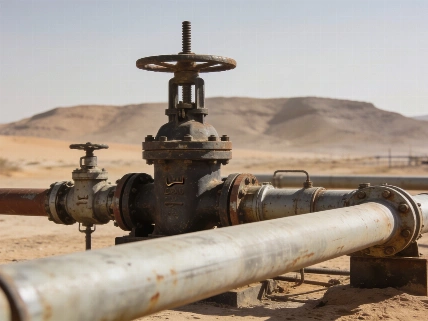
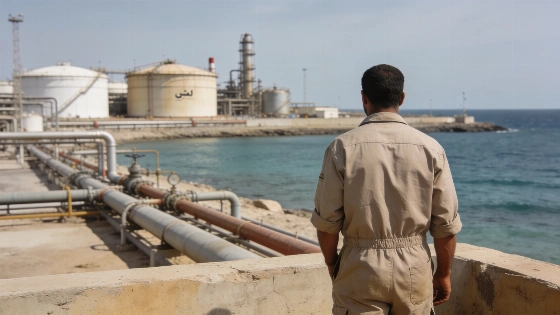
Recent events point instead to Libya's exposure to disruption in its energy sector and public finances. In late September, the UN mission warned that attacks on energy infrastructure or other actions that undermine its operation could be grounds for sanctions. Reuters reported that the closure of the Sharara-Zawiya pipeline was already harming production and state revenue. These are signs of domestic vulnerability, not proof that foreign powers have redistributed control.
Diplomatic contact continues. It does not prove a handover. On September 30, reports said Turkey and Libya were preparing an African summit in Tripoli. Libya's Foreign Ministry said the discussions focused on stronger bilateral relations and cooperation in areas of mutual interest. The reported preparations do not establish a new agreement over control of Libyan assets or institutions.
Pressure on public services is another part of the picture. Reuters reported that a nationwide teachers' strike disrupted the start of the school year in early October. In Tripoli, teachers called for unified and higher salaries, payment of arrears, health insurance and better working conditions, according to Anadolu Agency. Strike organizers warned that the action could escalate without practical steps from the authorities. These demands show strain on public services and administration. They do not establish an Italy-Turkey deal.
The commentary also makes claims about French financial distress, European dollar shortages and a possible crisis in the European Union. It alleges that France sold gold held in the United States in early 2026 to improve reported trade figures. The supplied material offers no documentation to establish those claims. They also do not support its prediction about Libya.
The piece does not explain what a Turkish gain would mean for Libyan institutions, oil operations or Italy's position. Libya's energy infrastructure supports production and government income, so disruptions can hit the country's finances. That exposure is documented. A foreign takeover or a settled loss for Italy is not.
For readers following the region, the distinction is clear: the commentary raises a strategic question about outside competition for influence in Libya, but documents no change in control. Turkey's established involvement, ongoing bilateral contacts and Libya's economic and governance pressures all provide relevant context. Until a specific agreement or action is identified, the claim remains political speculation, not a confirmed Turkish takeover or a settled loss for Italy.