The African Union has returned to Tripoli after an 11-year closure, reopening a direct channel for cooperation. Libya remains politically divided, with its institutions still facing major challenges.
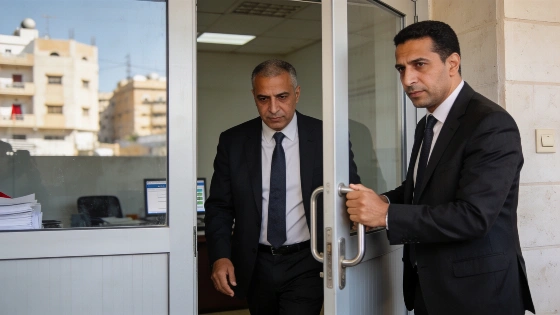
On October 1, 2026, AU Commission Chairperson Mahmoud Ali Youssouf and Acting Minister of Foreign Affairs and International Cooperation El-Taher Salem El-Baour attended the reopening of the African Union liaison office in Tripoli. The office gives the AU a direct channel for engagement as Libya seeks to unify its institutions through a political process led and owned by Libyans.
During his visit, Youssouf met Presidential Council President Mohamed Younis Al-Menfi, Government of National Unity Prime Minister Abdul Hamid Dbeibah and Acting Foreign Minister El-Baour. They discussed Libya's political process, reconciliation, peace and security, and relations with the African Union. The agenda was broad.
The AU had been without an office in Tripoli for about 11 years. Its closure came amid the severe security crisis and armed conflict that began in 2014. The reported reopening details describe the office as a channel for direct communication with the AU Commission and coordination between Libyan institutions and AU bodies. Libya's Foreign Ministry has also said the office will support consultation and widen the country's participation in continental programs.
The office is meant to strengthen communication and support Libya's role in continental initiatives, including Agenda 2063. It will also facilitate cooperation on peace and security, governance, youth and women's empowerment, counter-terrorism and transnational organized crime. AU Commission contacts with Libya began before the reopening. On September 29, Youssouf met Libya's ambassador to Ethiopia and the AU. The African Union Commission said the discussion stressed inclusive dialogue among Libyan parties as a basis for stability and national cohesion.
The office's return gives the AU a local platform as concerns about Russia's military and logistical presence in Libya draw attention, as described in regional security reporting. The move also has a wider Maghreb dimension. Tunisia supported the liaison office during its temporary operation in Tunis, showing how neighboring states helped sustain regional diplomatic engagement.
Youssouf reaffirmed the AU's support for Libya's sovereignty, unity and territorial integrity. He also rejected external interference. Unified institutions, he said, must come from an inclusive process led and owned by Libyans, not be imposed from outside. His position was clear.
Youssouf welcomed the Peace and Reconciliation Charter and the Declaration of Principles as positive steps. He also called for further progress toward lasting stability, unified national institutions and elections. These remain stated objectives. Reopening the office does not achieve them on its own. The AU's call for inclusive dialogue matches its September discussions with Libya's ambassador, but implementation depends on Libyan political actors.
Youssouf also visited premises allocated by Libyan authorities for the national office of the African Union Development Agency-NEPAD (AUDA-NEPAD). He welcomed the initiative as a way to support Libya's contribution to Agenda 2063 and development cooperation. He thanked Libya for helping reopen the liaison office and providing premises. He also thanked Tunisia for hosting the office during its temporary operation there. The development work is separate.
The domestic picture shows the limits of a diplomatic office. Reuters reported on October 1 that teacher strikes across several regions disrupted the start of Libya's school year. The strikes reflect continuing pressure on governance and public services. The AU presence can improve coordination and keep consultation channels open. It cannot resolve Libya's institutional divisions by itself.
The AU has restored a working diplomatic presence in Tripoli and added a foothold for its development agency. Those links can strengthen coordination between Libya and continental institutions. Institutional unity, reconciliation and elections still depend on an inclusive political process led by Libyans. The office can support that process, but it cannot replace it.