A teachers' strike has delayed the start of public classes for about 1.6 million students across Libya. Educators want pay aligned with state salary scales, overdue wages, overtime compensation and health coverage.
Reuters reported on October 1 that the walkout was still keeping schools shut. The education ministry in Tripoli had not immediately responded to a request for comment. About 1.6 million public-school students are waiting for classes to begin.
Teachers are seeking higher salaries and a unified pay scale. They also want delayed wages paid, overtime compensation and medical insurance for themselves and their families. The Tripoli-based education ministry has held meetings on health coverage, but the wider salary dispute remains unresolved. No deal yet.
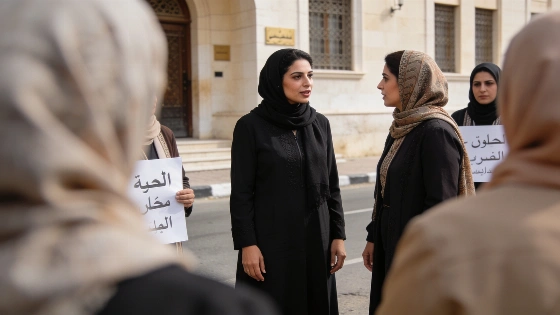
Teachers began sit-in protests on September 13, the scheduled start of the school year. A rally outside government headquarters in Tripoli and protests in Benghazi showed the movement had spread beyond the capital. Libya's state news agency WAL reported on the demonstrations, according to Anadolu Agency.
The Libya teachers' union says public-school teachers have joined the strike at a rate of 100 percent. Private schools have not joined. Union spokesman Achraf Abou Raoui said the education sector has nearly half a million teachers and administrative staff. The union called the action unusually broad because it grew from the grassroots rather than being mobilised by union leaders. Africanews, citing Reuters, also reported those figures and claims.
According to the union, public-school teachers earn between 1,000 and 2,500 Libyan dinars a month. Abou Raoui said teachers want their pay brought into line with the salary scale for other public employees. He said inflation has made fair pay and decent living conditions increasingly important. Teachers also want medical coverage, which they say they have sought for years.
Libya is divided between the UN-recognised government in Tripoli, led by Prime Minister Abdulhamid Dbeibah, and a rival eastern administration backed by Khalifa Haftar. Tripoli's public administration faces a separate test. Libya's risk roadmap set out plans to coordinate hazard monitoring and emergency response.
The education ministry says it will adjust the school calendar and cancel holidays to make up for lessons missed during the strike. Reuters said in a report carried by Al-Monitor that the walkout continued to disrupt schools nationwide. Calendar changes may help recover teaching time. They do not settle the pay and benefits dispute behind the strike.
Students are losing classroom time as teachers press for better pay and basic coverage. The authorities have yet to address the salary demands alongside the insurance issue. Calendar changes can manage the interruption, but they cannot settle its cause.