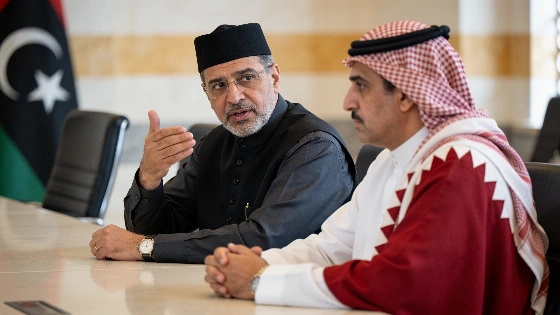
At a Benghazi meeting, Saddam Haftar and a Bahraini delegation backed UN-led efforts to unify Libya's institutions. The August framework sets up to 24 months for work on electoral and institutional questions, but sets no voting date and does not settle the legal dispute.
The Aug. 30 framework gives Libyan parties up to 24 months to address election laws and institutional questions. It does not set a date for presidential or parliamentary elections.
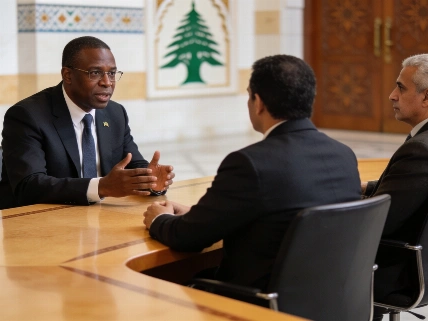
In Benghazi, Saddam Haftar, deputy commander of eastern Libya's forces, received a Bahraini delegation led by Sheikh Ahmed bin Abdulaziz Al Khalifa, chairman of Bahrain's Strategic Security Bureau. A statement by the eastern Libyan forces said they discussed issues of mutual interest and backed international and UN efforts to unify Libya's institutions ahead of elections. No date was set.
Participants in the 4+4, also known as the Smaller Convening, reached the agreement under UNSMIL's auspices. It calls for changes to the governing board of the High National Elections Commission, or HNEC, and work on outstanding legal and constitutional questions within up to 24 months. As Xinhua reported, the agreement sets out a framework for progress, not an immediate decision to hold elections.
The legal dispute is still active. On Sept. 29, Libya's High Council of State called changes to the presidential election law unconstitutional. It described the August agreement as a political understanding that still needs institutional and legal completion, including approval by both chambers. Agreement on a process has not settled the rules for an election.
Presidential and parliamentary elections planned for December 2021 did not take place. Disagreements over the constitutional and legal basis for voting, and over the division of political authority between eastern and western Libya, blocked them. In Benghazi, the statement put Bahrain alongside the international and UN effort in backing institutional unity. It reported no new election mechanism or resolution of those disputes. The vote never came.
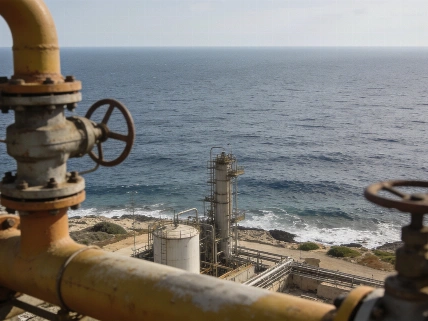
Institutional coordination also affects Libya's economic stability. Oil revenues are central to public finances, while competing authorities make it harder to manage national institutions and public resources. The meeting announced no economic agreement, energy-sector measure or investment commitment. Its significance remains diplomatic, not economic.
A separate account of an alleged meeting between Haftar and Benjamin Netanyahu in the UAE was described as unconfirmed in earlier coverage. The Benghazi meeting shows diplomatic backing, not a breakthrough in Libya's divided institutions. Progress depends on whether the parties complete the HNEC and legal-framework steps and turn the 24-month commitment into elections. For now, unity remains an objective, not an outcome. No breakthrough yet.