
Italy dismisses reports of an imminent Russian drone threat in the Mediterranean but faces a more concrete challenge as Russia deepens its military and logistical foothold in Libya, raising the stakes for European and NATO security on the southern front.
Italian officials have brushed off talk of a Russian drone attack in the Mediterranean. But the real shift is already happening on the ground. Russia is digging in across Libya. Moscow is turning Libya into a key outpost for its ambitions in North Africa and the Sahel. Defence Minister Guido Crosetto has flatly denied any immediate drone threat. The European Commission backed him up, saying there is no specific warning. ANSA and the International Business Times UK reported these statements. Regional agencies like Algeria's APS and Morocco's MAP are watching closely. The Maghreb is uneasy about what's unfolding in the Mediterranean.
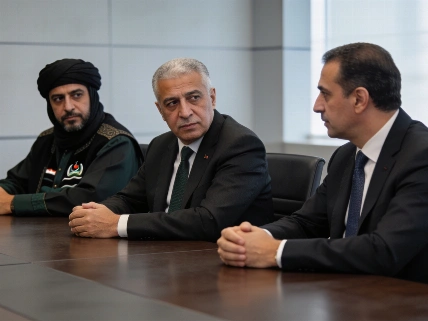
Rome started its checks after a Spanish media report claimed Russian drones might launch from merchant ships. No evidence of an imminent attack turned up. That hasn't eased nerves in Europe. The real problem is not a rumor. It's the steady growth of Russian military and logistics sites on Libya's coast, right across from Italy. Modern Diplomacy and Al Araby both confirm Russian forces are now tied to several key sites in eastern and southern Libya, including Tobruk. The Africa Corps is at the center of Moscow's push.
Libya becomes Moscow's Mediterranean anchor
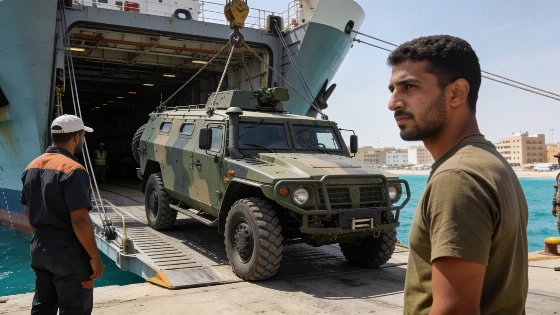
European sources see a clear pattern. Russian activity at Libyan air bases is up. Russian ships are delivering more armored vehicles. New weapons are arriving. The Africa Corps, Russia's expeditionary force, is now a fixture in eastern and southern Libya. This links the Mediterranean coast to Russian operations deeper in Africa. Business Insider Africa and Al Majalla have both reported on Russian military cargo and more flights at Libyan airfields. Libyan authorities have not fully confirmed all details. The Tunis Afrique Presse (TAP) has flagged the risk for the region. Libya's neighbors are worried about the fallout.
Libya's location changes everything. A lasting Russian presence here gives Moscow a launchpad facing Italy. It also opens a bridge to the Sahel and other African regions. This is not theory. It's a real shift in power on Europe's southern edge. Libya is now both gateway and platform for Russian influence. The United Nations Economic Commission for Africa (UNECA) has called Libya a logistics and energy hub. That role is now tangled up with new security threats.
Defence Minister Crosetto urges caution about the drone story. But he does not ignore the bigger risk from Russia's moves in the region. Using commercial ships for hybrid operations is still possible. Professor Antonio Teti points out that civilian maritime traffic could help hide such actions. Libya's National Oil Corporation (NOC) just reported a major disruption. On 21 September 2026, an armed group closed valve 7 on the Sharara pipeline to Zuwaya port. Output at Libya's biggest oil field dropped sharply. Reuters and regional energy bulletins confirmed this. The event shows how fragile Libya's infrastructure is. It also shows how outside players could take advantage.
European security and migration stakes rise
Libya's chaos already worries Europe. The country is a main launch point for migrants crossing the central Mediterranean. Its political system is shaky. Now Russia's military build-up adds a new problem. Moscow could gain more leverage in a region where migration, security, and political splits all collide. The African Union's Peace and Security Council keeps calling for joint action. Maghreb states are being urged to tighten borders and share intelligence.
NATO and the EU can't treat the southern flank as a sideshow anymore. The war in Ukraine has kept eyes on the east and north. But Libya's shift into a Russian outpost forces a rethink. Stabilizing Libya is no longer just about migration or diplomacy. It's about stopping outside powers from setting up military bases. Recent reported earlier moves by Libya's National Oil Corporation to modernize its energy sector with foreign partners show the country's future is still open. But as long as Libya's politics stay fragile, Moscow will keep its foothold.
Lessons from Syria and the limits of European leverage
Syria offers a warning. Libya and Syria are different, but Damascus shows that changes at home and closer Western ties can shift Russia's options. Still, Europe has little direct control over Libya's path. The key question is whether a real political deal in Libya could box in Moscow and cut the value of its presence. The Libyan House of Representatives and the High Council of State have both said they are ready for new UN-backed talks, as reported by the Tunisian news agency TAP. Progress is slow and often disputed.
Italy's rejection of the drone threat is not a sign of comfort. The bigger problem is Russia's slow, steady build-up in Libya. This affects European and NATO security directly. For leaders in Rome, Paris, and Brussels, the message is simple. Libya's stability is now a core strategic issue. It can't be left on the back burner. Only by fixing Libya's political splits and limiting outside military moves can Europe hope to contain the risks now growing on its southern doorstep.