

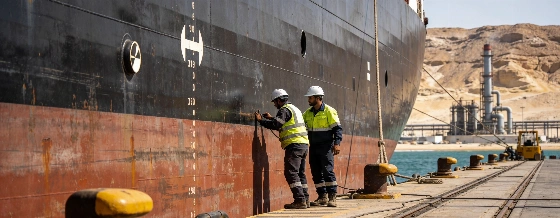
Libya has struck a deal to supply one million barrels of Sirte/Missla crude to Indian Oil Corporation at a premium of USD 23 per barrel over Brent-the highest since the Iran war-highlighting changing patterns in global oil sourcing.
Libya has reached a new milestone in the oil market, agreeing to sell one million barrels of Sirte/Missla crude to Indian Oil Corporation at a premium not seen since the Iran war. The deal, at USD 23 per barrel above October Brent prices, reflects the strong competition among Asian refiners for stable crude supplies as geopolitical risks rise. The Libyan National Oil Corporation (NOC) reported that this sale comes after recent disruptions, with production holding steady at about 1.4 million barrels per day following a brief shutdown in mid-September due to protests and a pipeline closure, according to Reuters and regional energy bulletins.
Indian Oil Corporation's decision to pay this premium is a strategic one. With delivery planned for November 2026, the company is prioritizing the reliability of Libyan supply at a time when traditional routes, especially those through the Strait of Hormuz, face growing uncertainty. India's Ministry of Petroleum has pushed to diversify crude imports, expanding its supplier list from 27 countries in 2006-07 to nearly 40 today. This broader sourcing strategy matches trends noted by the African Union's Department of Trade and Industry, which has pointed to the rising role of North African energy exports in Asian markets.
Libyan crude tops competitive tender
Market data from Reuters and the Libya Herald show that Indian Oil Corporation bought the cargo from Mercuria, a global trading firm, at a premium higher than any of the other three grades offered in the same tender. The strong price for the Sirte/Missla blend points to steady demand for heavier Libyan grades, as Asian refiners adjust their buying strategies in response to changing freight costs, crude quality, and price differences. The tender also included cargoes from Iraq, Angola, and Nigeria, showing Indian buyers' efforts to spread risk across both Atlantic and Middle Eastern sources, as reported by the Tunis Afrique Presse (TAP) agency.
This deal is part of a larger trend. As reported earlier, demand for Libyan heavy crude is rising, with major Asian buyers willing to pay more for supply security outside the most volatile export routes. The premium in this transaction was the highest among the four grades in the tender, giving Libya renewed leverage in the international oil market.
What the deal means for Libya and India
For Libya, this sale shows the country's ability to get strong prices for its crude, even in a complicated market. The premium confirms that Libyan grades remain attractive to major refiners, despite competition from other regions and ongoing geopolitical uncertainty. The NOC's quick recovery after the recent pipeline shutdown, as detailed in a statement from the National Oil Corporation, has helped build confidence among international buyers and regional partners.
For India, paying a record premium highlights the urgency of protecting itself from supply shocks. By building a diverse supplier base, Indian refiners gain flexibility to handle market swings, freight changes, and regional instability. The Sirte/Missla deal is a clear result of this approach, offering both sides more security in an unpredictable market. Regional sources, including the Maghreb Arab Press (MAP), note that such deals are shaping trade balances and foreign currency flows for North African economies.
With delivery set for late 2026, this transaction will be a test case for how global oil trade responds to shifting risks and alliances. Indian Oil Corporation's willingness to pay a premium for Libyan crude signals a changing balance in the energy market. Libya's ability to command this price shows it is regaining influence in international oil, while India's diversification strategy is setting a new standard for energy security in Asia.