
Libya has sold one million barrels of Sirte/Missla blend crude to Indian Oil Corp at a premium of US$ 23 per barrel above Brent, marking the highest premium since the Iran war and highlighting surging demand for Libyan heavy crude in global markets.
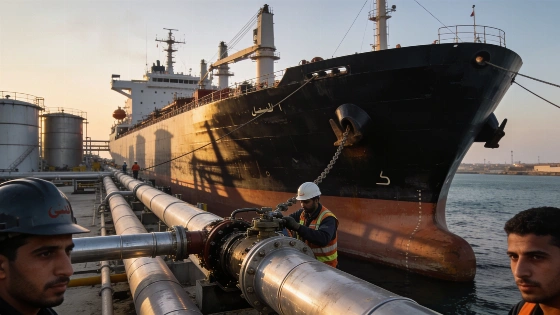
Libya has set a new benchmark in the oil market, closing a deal that puts its crude at the top of global price spreads. Indian Oil Corp, the state-owned refiner, agreed to buy one million barrels of Libyan Sirte/Missla blend for delivery in November 2026, paying about US$ 23 per barrel above Brent prices for October. This is the highest premium seen since the Iran war era. The deal comes as the oil market faces tight supply, with Reuters reporting that early September 2026 brought major disruptions in Libya, including the shutdown of three fields after security forces closed the Hamada-Zawiya pipeline. These events further tightened global supply according to Reuters.
The transaction, tracked by Washington-based Energy Platform and reported by Business News Report, stands out for both its size and the unusually high premium. Indian Oil Corp bought the shipment from trading house Mercuria. Of the four crude grades offered in the tender, the Libyan blend fetched the highest price, showing strong demand for Libya's heavy crude this year. This jump in premiums matches a broader trend in the region: physical oil cargoes in MENA have seen record spot premiums, with ADNOC Upper Zakum cargoes for October and November trading at $7.00 and $13.25 above Dubai crude, based on Reuters market data.
India diversifies oil supply beyond traditional routes
The Indian Ministry of Petroleum has been working to reduce its dependence on oil shipped through the Strait of Hormuz. Since 2006-2007, India has expanded its list of supplier countries from 27 to nearly 40, aiming for more energy security and flexibility. Recent ministerial statements say that nearly 70% of Indian crude imports now come from outside the Hormuz corridor, reflecting a policy shift in response to regional instability and supply risks. The Libyan deal is a direct result of this diversification, as Indian Oil Corp looks for stable supplies amid changing geopolitical risks. Indian officials have said the country maintains alternative routes, strategic reserves, and a broad mix of suppliers to cushion short-term disruptions, a point repeated in recent statements from the Ministry of External Affairs and the Ministry of Petroleum and Natural Gas.
Libya's ability to secure such a premium marks a shift for North African producers. The country has previously sought partnerships with Russian and British energy firms to modernize its sector, as reported earlier. This latest sale shows that Libyan crude is now in high demand, not just a fallback for buyers avoiding Middle Eastern volatility. The Libyan National Oil Corporation (NOC), overseen by the Ministry of Oil and Gas, has warned of possible production halts if domestic disputes are not resolved, a situation watched by regional agencies such as Tunis Afrique Presse (TAP) and the Algerian Press Service (APS).
Market impact and regional positioning
The record premium in this deal will draw attention from other regional exporters. For Libya, it is a rare moment of leverage in a market usually dominated by larger producers. The deal also highlights the role of trading houses like Mercuria in brokering high-value transactions between state oil companies and major buyers. The rise in Brent prices to $107.81 per barrel on September 14, 2026, as reported by Reuters, shows how sensitive global benchmarks are to North African supply disruptions.
Indian Oil Corp's willingness to pay a premium for Libyan heavy crude sends a clear signal: North African oil, with the right blend and timing, can command top prices even in a crowded market. This puts pressure on other regional producers to rethink their export strategies and pricing. Libya's success here shows that, despite ongoing political and operational challenges, the country can still surprise the market and secure strong returns when conditions are right. The deal has also caught the attention of the United Nations Economic Commission for Africa (UNECA), which has noted the strategic importance of Maghreb energy exports for both regional development and global supply stability.