Libya's lawmakers have elected a new speaker and adopted rules for a rotating, 12-month presidency. The shift gives the UN-backed process a new parliamentary counterpart, but sets no election date and guarantees no vote.
A session of 102 lawmakers cleared the way for a change in Libya's House of Representatives leadership. The new rules set up rotating leadership, but they do not move the country closer to a scheduled vote by themselves.
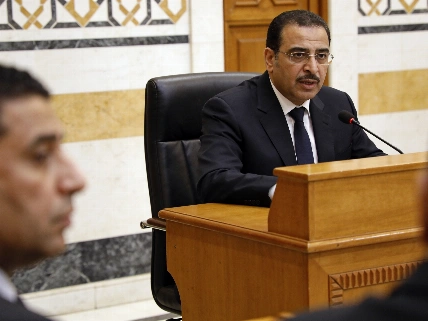
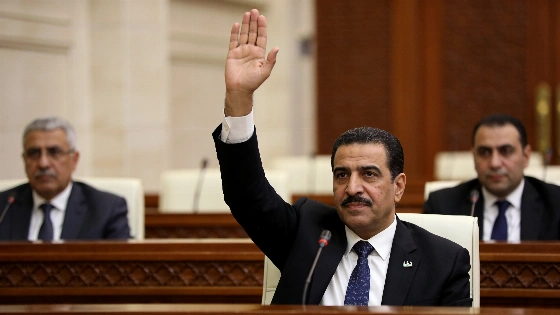
On 6 October, lawmakers elected Al-Salihin Abdul Nabi al-Obaidi as speaker, replacing Aguila Saleh, who had held the post since 2014. The vote took place in Benghazi. House spokesman Abdullah Blehaq announced the result, according to Anadolu Agency. Al-Obaidi represents Tobruk and comes from the same tribal community as Saleh, making this a change in parliamentary leadership rather than a wholesale political shift.
The UN Support Mission in Libya, or UNSMIL, said it would engage with the new leadership and all members of the chamber as it works to advance the UN political roadmap. Hydrocarbon exports provide much of Libya's public revenue, giving efforts to build unified state institutions economic weight. The reshuffle, however, leaves disputes over executive authority and economic management unresolved.
At the session attended by 102 members, 98 backed changes to the House's internal regulations. The amendments establish rotating leadership with a maximum term of 12 months. They also stop outgoing leaders from blocking the election of successors or delaying a specially convened session. A second session the following day drew 111 members and elected the new leadership. The House spokesman said al-Obaidi received the support of everyone present.
The revised rules set the leadership's term at 12 months from the date of election, with no automatic extension, Xinhua reported. They change how the chamber selects and replaces its leaders, but do not set a national election date.
The 4+4 mini-dialogue committee has set an election horizon of 24 months in an agreement reached at UNSMIL's headquarters in Tripoli. Four representatives of the Government of National Unity sit on the committee, alongside four representing the eastern Libya-based military leadership. The committee has held UN-sponsored talks since April 2026 to address the political deadlock. Its work is intended to advance the UN roadmap, including elections and the unification of executive authority.
UNSMIL has said it will keep working with the legislative institution to advance the UN-facilitated political roadmap. The mission says it aims to unify state institutions and carry out urgent reforms. It also aims to hold elections within the timeframe set in the committee's agreement. Cairo has backed the UN track; Egypt's stated position supports the roadmap and simultaneous presidential and parliamentary elections.
Libyans have long hoped elections will end successive transitional periods and help bring political and armed conflict to a close. Those hopes date back to the 2011 ouster of Muammar Gaddafi's regime. The revised rules may make it harder for parliamentary leaders to obstruct succession procedures, but wider political disagreements have continued to delay a national vote.