After nearly 12 years under Aguila Saleh, Libya's eastern parliament has a new speaker as UN-mediated election talks move forward. The change may shift influence in the east, but it does not settle the legal dispute or Libya's wider political deadlock.
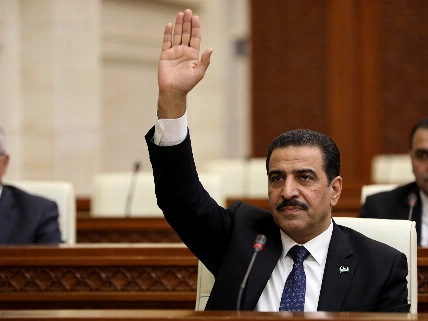
Ninety-eight lawmakers in Libya's eastern-based House of Representatives approved changes to the speaker's term on October 5. The next day, lawmakers elected Al-Salihin Abdelnabi Al-Obeidi as speaker, ending Aguila Saleh's nearly 12-year tenure. The vote came as a UN-mediated process seeks to advance presidential and parliamentary elections within two years, but its validity is disputed and its effect on negotiations remains uncertain.
The leadership change matters beyond the chamber. Libya relies on oil for public finances and energy exports, both of which need predictable national decision-making. A new speaker alone does not change production, contracts or revenue arrangements. The question is whether the eastern House can work with other sides on a political settlement and the institutions needed to govern the country.
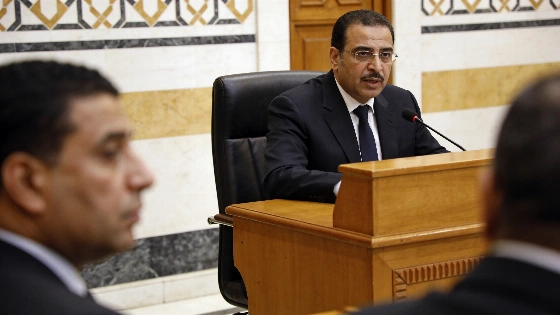
The amendments limit the terms of the speaker and deputies to 12 months. Reuters reported that 110 lawmakers attended the October 6 session and elected Al-Obeidi unanimously. The new leadership then took the oath. Al-Obeidi represents Tobruk, previously headed the Libyan-Turkish parliamentary friendship group and belongs to the same tribe as Saleh.
Saleh, who became speaker in August 2014, did not attend the session. He challenged the procedure, saying it was unofficial and had no legal effect. House spokesperson Abdullah Blihaq announced the election, Anadolu Agency reported. The vote has changed the chamber's leadership in practice, but Saleh's objection leaves its legal standing contested.
The dispute had been building for weeks. Two weeks earlier, 86 lawmakers accused Saleh of blocking access to the parliament's headquarters and preventing a quorum for debate on reform. Lawmaker Jebree Oheida said MPs were dissatisfied with decisions made without their consultation. Saleh's departure ends the longest continuous period of parliamentary leadership in modern Libyan political history, but it does not settle the institutional divisions behind the dispute.
Saleh, a close political ally of Khalifa Haftar, had been a prominent obstacle to UN-backed peace efforts, according to the United States and the European Union. Both imposed sanctions on him before lifting them. His replacement may remove a longstanding source of friction, but it does not show that the eastern parliament will act more independently or that authority has shifted away from Haftar-aligned networks.
Haftar welcomed the amendments and voiced support for the new leadership. Ben Fishman of the Washington Institute for Near East Policy said Saleh's removal showed how much his political power depended on Haftar. Fishman described the move as part of the Haftar family's consolidation in the east. That remains an assessment, not proof that the new speaker will follow a particular political line.
The UN Support Mission in Libya is working to keep an election roadmap on track. An agreement signed in August by representatives of competing Libyan camps, with UN mediation, envisages an attempt to hold presidential and parliamentary elections within two years. The late-August 4+4 initiative brought together two representatives from each of four key institutions. Fishman has warned that replacing eastern representatives could seriously challenge the process. The US-backed Boulos plan offers another track for negotiations, though it has faced domestic opposition.
Saddam Haftar has taken a visible role in eastern outreach to foreign officials and in unity discussions with the Tripoli-based Government of National Unity. His election diplomacy has also included a Bahrain meeting linked to the UN-led track. Tripoli-based officials have accused him of overseeing a network behind drone attacks on fuel-storage facilities and power stations in western Libya. These remain allegations, and reports say they have complicated reunification efforts.
The rival blocs also disagree on what should happen before elections. The eastern House and the Government of National Stability want a unified interim government. The Government of National Unity in Tripoli wants elections first and opposes arrangements it sees as entrenching Haftar's influence. Proposals have included keeping Abdul Hamid Dbeibeh as prime minister while Saddam Haftar becomes president with executive powers. No settlement has been agreed.
Al-Obeidi's first test is whether his appointment can withstand Saleh's legal objection. Other practical tests include whether the House meets regularly, works with the UN Support Mission in Libya on the roadmap and passes legislation needed for economic and security unification.
For now, Saleh's objection leaves the vote's legal standing contested. His removal has changed the balance of authority within the east, but it has not produced a breakthrough between Libya's rival governments.