
Thirty Libyan banking professionals are taking part in a Tripoli workshop on troubled-loan portfolios, early warning signs and borrower negotiations. The IMF has flagged limits on private-sector lending and called for stronger banking oversight, but no specific loan restructurings have been independently confirmed.
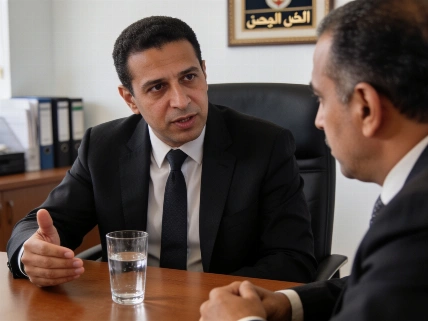
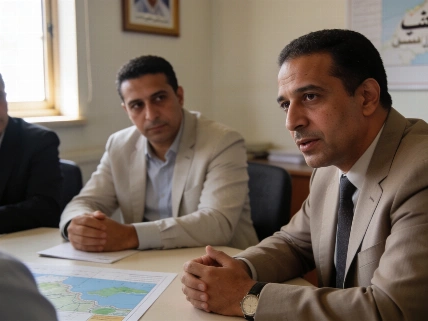
From 4 to 8 October, 30 Libyan banking professionals are taking part in a Tripoli workshop on non-performing loans, or NPLs. They are learning to spot trouble in credit accounts and negotiate settlements with borrowers.
The Union of Arab Banks organized the workshop with the Libyan Banks Union. Jumhouria Bank is sponsoring it. The sessions focus on practical skills for managing problem loans and negotiating with clients.
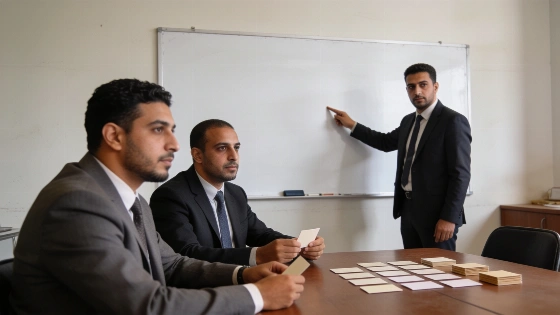
Participants are working through early warning signs and factors that can weaken the performance of credit accounts. They are also looking at ways to manage NPL portfolios and negotiate with clients for the best possible settlement.
That work includes setting suitable terms, conditions and guarantees. Case studies from different industries and sectors give participants a chance to apply the concepts.
Mr. Hany Ali Abdullah, Regional Director for Egypt, Libya, and Sudan, opened the workshop alongside Mr. Ali Al-Zaidi, Director General of the Libyan Banks Union; Dr. Abdullah Aoun, Head of Marketing and Product Development at Jumhouria Bank; and Dr. Walid Al-Baraei, Head of the Debt Restructuring and Resolution Sector at Banque Misr. Dr. Al-Baraei is also teaching the workshop.
The training comes as Libyan banks face tight limits on lending to private businesses. The IMF's 2026 Article IV mission, held in Tunis from 30 March to 8 April, reported that private-sector lending is effectively constrained despite excess liquidity in the banking system. The regulator limits credit to ease pressure on the foreign-exchange market, the Fund said, restricting banks' ability to finance businesses and investment. The IMF's 2026 assessment of Libya also says the Central Bank of Libya is preparing its first financial stability report and working on a new banking law.
The IMF estimated that Libya's public debt nearly doubled over two years to 146% of GDP. The increase puts pressure on the exchange rate, international reserves and inflation. The Fund has called for stronger banking supervision, a review of financial-sector stability, better crisis-management arrangements and an anti-money-laundering law aligned with international standards.
These policy issues affect the conditions in which banks assess loans, but the IMF did not report a separate measure of NPLs. It recommended tighter governance, financial reporting and disclosure at state-owned enterprises, along with gradual restructuring or commercialisation of entities that are not viable. Those recommendations apply to banks' exposure to public-sector borrowers. They do not show how many loans are troubled or confirm that any particular debt has been restructured.
This workshop deals with credit risk, not the public-safety planning covered in Libya's alert planning. Its sessions focus on spotting credit deterioration and negotiating with borrowers.
No independent confirmation has emerged of direct lending outcomes from the workshop, such as completed restructurings or write-offs of specific loans. Available reporting confirms that 30 banking professionals are receiving training, but does not establish a measurable improvement in bank portfolios.