
Libyan and Romanian officials have set out health safeguards as they consider reopening trade in live sheep. They have not confirmed a restart: inspections and agreement on veterinary certificates are still required.
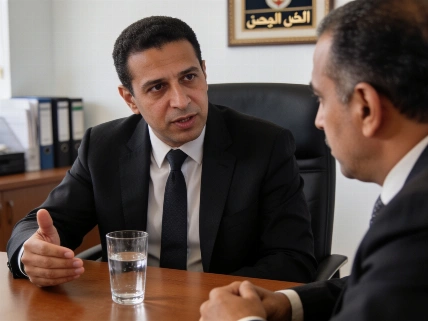
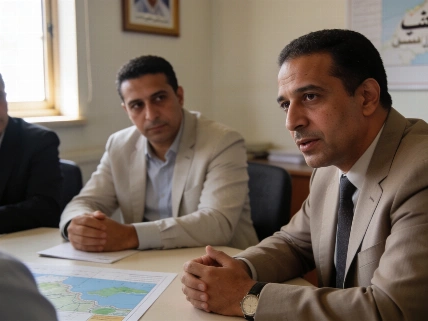
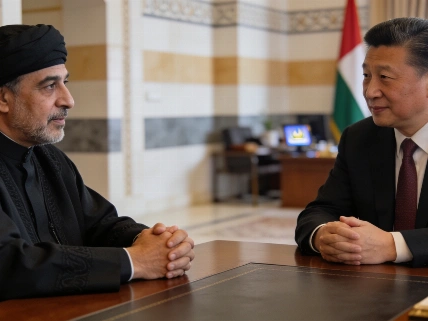
A Libyan delegation was in Romania from 5 to 10 October to review the technical and sanitary conditions for possible live-sheep exports to Libya. The talks on 5 October covered safeguards to protect animal health and limit the spread of disease, but did not confirm that trade had resumed.
The Libyan delegation included the Undersecretary of the Ministry of Agriculture and Livestock, who is also Acting Chairman of the National Centre for Animal Health, Ambassador Mohamed Al-Barouni and representatives from the Centre's Veterinary Quarantine Department. Romania sent senior officials from its National Sanitary Veterinary and Food Safety Authority (ANSVSA), including its president, Alexandru Nicolae Bociu.
The visit was one step toward a possible reopening. Shipments had not restarted; follow-up measures and agreement on veterinary certificates were still needed. The African Union's AfCFTA framework covers continental trade integration, but it does not set the bilateral veterinary approvals required for Romanian livestock exports to Libya.
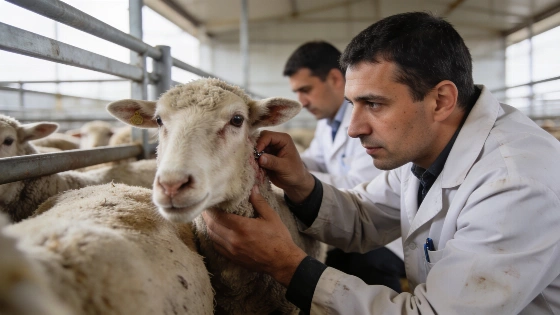
Disease controls remain central to the discussions. Officials reviewed Romania's epidemiological situation concerning peste des petits ruminants (PPR) and the controls already in place. Romanian sheep exports to Libya had been suspended in previous months amid outbreaks of PPR and sheep and goat pox. Vaccination, surveillance and early laboratory diagnosis were among the safeguards discussed.
ANSVSA said it was ready to provide assurances through direct dialogue, work by its specialists and analyses from Romania's Institute for Diagnosis and Animal Health. The aim is to show that veterinary controls can reduce the risk of infection spreading, not that the risk has been eliminated.
Next, the parties need to carry out inspections and exchange information. They discussed visits to veterinary quarantine facilities, reference laboratories and certified slaughterhouses, along with continued coordination. For now, the procedures concern live sheep rather than a broad agreement on all meat and livestock trade. Veterinary authorities in both countries still need to complete and approve the sanitary certificates.
ANSVSA chief Bociu said on 7 October that he hoped a first shipment could take place in the period ahead. That remains conditional on inspections and completion of the required procedures. Romanian sheep exports to Libya were worth about $14.3 million in 2024, according to reports citing trade statistics. The figure reflects past trade; it does not show that exports resumed after the October talks.
The UN Economic Commission for Africa (UNECA) works on regional integration and trade, a broader policy area separate from the bilateral veterinary clearance required here. For Libya, the immediate question is whether inspections, disease controls and agreed certificates will meet the requirements for imports while protecting domestic herds from preventable risks.
Libya's economic ties with external partners also extend beyond energy. A recent Sharara report tracked oil output, while the Bucharest talks dealt with livestock trade rules and inspections. Any reopening still depends on completing follow-up measures and obtaining veterinary approval from both countries.