
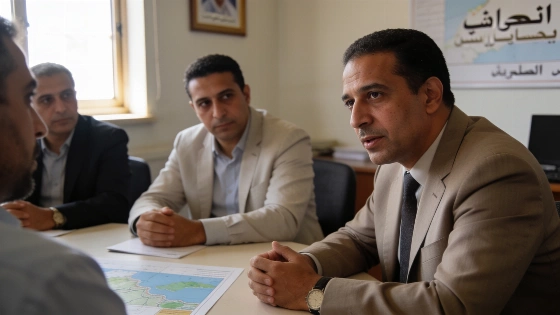
Libya's environment ministry says Readiness Libya 2 has ended and produced climate-planning tools and a Green Climate Fund country programme. Independent confirmation of the reported results and evidence of investment remain unavailable.
The ministry says the project produced a National Climate Change Framework, a monitoring and evaluation system, and Libya's Green Climate Fund (GCF) Country Programme.
Libya's Tripoli-based Ministry of Environment announced the conclusion of Readiness Libya 2, which it carried out with the Sahara and Sahel Observatory (OSS). The ministry said the project aimed to strengthen national and institutional capacity and mobilize climate finance. Available search results do not independently confirm the project's completion, its specific results, or the reported memorandum with OSS. Those details remain the ministry's account.
The country programme is meant to guide national priorities and help develop investment proposals that could attract climate finance. GCF readiness support helps strengthen institutions and prepare project portfolios. It does not mean specific projects have been approved for funding.
Global figures offer context, not a Libya-specific funding total. At a GCF event in October 2026, total Readiness support was put at about $740 million worldwide, including roughly $250 million for Africa, according to event coverage. Those totals cover the GCF programme as a whole. They do not establish the size of any grant to Libya or Readiness Libya 2.
The ministry has not named climate investments that have secured funding or entered implementation. The available information also gives no grant amount for the project, list of approved projects, figure for financing mobilized, implementation timetable, or GCF decisions on Libyan proposals. The released details do not show that Readiness Libya 2 has already generated investment.
At the reported close of the project, discussions turned to priority investment projects, stronger private-sector involvement, and ways to use available climate-finance opportunities. The ministry also said it and OSS had signed a memorandum of understanding to continue work on climate and climate finance in the next phase. Available search results did not independently confirm the signing.
African climate-finance discussions have also focused on preparing projects and bringing in private capital. GCF-related sessions in October covered readiness planning, funding proposals and accreditation, alongside a dedicated private-sector day, according to event reporting. The discussions point to a wider effort to develop proposals that can win funding. They do not show that projects in Libya have received financing.
Libya's economic and institutional conditions will affect whether its climate plans can become investment projects. In its 2026 Article IV consultation statement, the International Monetary Fund linked lower oil dependence and a stronger budget to better governance, stronger institutions and a more dynamic private sector. The IMF statement did not address Readiness Libya 2, but those wider conditions matter to the country's ability to prepare, assess and deliver projects.
Readiness Libya 2 is reported to have given Libya a way to identify climate priorities. The information released so far does not show those priorities have been funded. The next phase will need to turn the plans into viable projects, secure funding decisions and bring public institutions and private investors into implementation.