
Mohamed Aoun alleges that billions in oil revenues were squandered or looted over 15 years, a claim not independently established in the available material. Recent shutdowns caused losses exceeding 942,000 barrels.
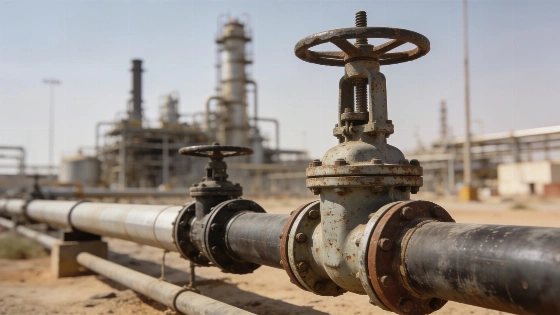
On 21 September 2026, the closure of valve No. 7 on the Sharara to Zawiya pipeline interrupted flows. They resumed about five days later, after reported production losses topped 942,000 barrels. Direct damage was estimated at more than $75 million after the first four days, then at about $95 million.
That disruption landed amid a wider dispute over the oil sector. Former oil minister Mohamed Aoun has accused it of unprecedented corruption and mismanagement, alleging that billions of dollars in oil revenues were squandered or looted over the past 15 years. His claims come as political instability continues to threaten operations.
The allegation is not a finding of proven theft. The available material contains no independent audit substantiating the sums Aoun cited. Transparent accounting and verifiable evidence are essential to assessing the claim.
A week earlier, on 15 September 2026, employees of the Petroleum Facilities Guard blocked the Hamada to Zawiya pipeline amid demands related to finances and employment. The blockade disrupted production and operations at three oil facilities.
The National Oil Corporation warned that a prolonged Sharara to Zawiya shutdown could halt output at the Sharara field. It could also disrupt exports and the Zawiya refinery. The NOC warned of higher fuel-import costs, with force majeure another possible consequence. The UN Support Mission in Libya said continued disruption was damaging a principal source of national income and reducing state receipts. A local blockade can reach well beyond the pipeline itself.
How oil income moves through state institutions is another part of the debate. The Libyan News Agency, citing the NOC, reported that since February 2026 the corporation has transferred oil revenues to the Libyan Foreign Bank. That bank then passes the funds to the Central Bank of Libya after deducting the cost of letters of credit for fuel suppliers, according to an agency report. The accounting route provides context, but it neither proves nor disproves Aoun's allegations.
The dispute over revenue has a longer history. In 2012, Libyan officials attributed financial discrepancies to complex accounting rules. They also cited settlement delays. Weak coordination between agencies was another explanation, rather than established theft. Oil then accounted for about 90% of state revenues, according to Reuters reporting republished by Ahram Online.
A separate confrontation over control of the Central Bank in 2024 was followed by a sharp drop in oil exports. Reporting at the time put the decline at more than half. The episodes show how disputes over institutions can disrupt production and the flow of revenue.
Libya's oil sector has drawn interest from outside capital and licensing prospects, as discussed in regional oil investment. Prospective investors weigh production prospects against the way revenues are managed and whether rules are predictable.
Aoun made his latest remarks in an interview with Saudi Arabia's Al Arabiya on 3 October. He served as oil minister until March 2024. The available information does not establish when he took office.