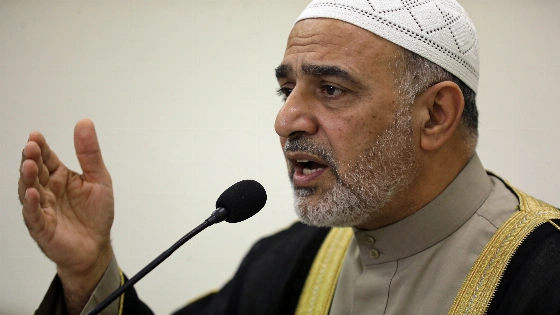
A televised appeal attributed to Grand Mufti Sadiq al-Ghariani has sharpened scrutiny of Tripoli's security record. UAE prosecutors classified a separate Flydubai attack as an attempted terrorist act, but have not established its motive or any link to Libya.
The remarks surfaced in a broadcast on Libyan television, according to the account. Libya's Grand Mufti Sadiq al-Ghariani reportedly urged Muslim pilots to hijack aircraft and attack Israel. He praised Omani pilot Hamam al-Hammami and suggested pilots who crashed planes in attacks would be honored. The alleged appeal is separate from the Flydubai investigation, and the supplied reporting does not establish a connection between al-Ghariani and that attack.
The UAE Public Prosecution's findings, reported by Reuters, say the second pilot attacked the captain with an axe and tried to take control of the aircraft. Prosecutors classified the conduct as an attempted terrorist act. Their investigation into motive and possible accomplices continues. Sources familiar with the inquiry identified the suspect as an Omani citizen, but officials had not publicly confirmed his name in the cited coverage.
The flight was travelling from Dubai to Tel Aviv with more than 170 people aboard. Passengers and crew restrained the assailant. A relief pilot landed the plane in Tabuk, Saudi Arabia. UAE Attorney General Hamad Saif al-Shamsi described the attack and attempted seizure of the aircraft, according to NBC News. Published passenger counts differ: Deutsche Welle reported 182 people, including four pilots. Saudi authorities detained the suspect after the safe landing.
The findings establish the reported actions of the Flydubai co-pilot. They do not establish the motive alleged by political figures. Israeli Prime Minister Benjamin Netanyahu said the suspect had undergone Islamist radicalization, but the cited reporting does not present that as a final investigative conclusion. UAE adviser Anwar Gargash also characterized the incident as terrorism. The investigation remains ongoing.
The original account links al-Ghariani's reported appeal to Prime Minister Abdul Hamid Dbeibeh's support for the cleric. It also alleges that Tripoli shelters remnants of Ansar al-Sharia, the group associated with the 2012 Benghazi attack that killed U.S. Ambassador Chris Stevens and three other Americans. Those allegations are not findings established by the Flydubai case. Libya's political process remains stalled. Competing authorities and an unresolved electoral timetable continue to complicate efforts to establish unified, accountable governance. Maghreb Insider's Libya election coverage reports on the push for simultaneous elections.
Calls for Dbeibeh to expel al-Ghariani are demands advanced by the original account. The account also calls for the extradition of suspects in the Benghazi attacks. It demands that militias be disarmed. The supplied material does not show that a government or international body has formally adopted these steps.
For Libya and its Maghreb neighbors, a secure political transition matters to border stability and regional cooperation. Claims of state support for armed groups require evidence and due process. International engagement should be measured against verifiable action, including progress toward elections. Accountable security institutions and credible investigations into violence are also benchmarks.
Dbeibeh was selected in 2021 through a UN-facilitated political process to lead an interim government. He was not chosen in a nationwide popular election.