
Algeria has introduced stricter penalties for operating passenger or freight transport services without a professional qualification certificate, including up to two years in prison and fines reaching 200,000 dinars. The move aims to improve road safety and regulatory compliance.
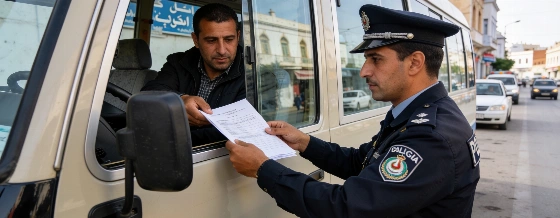
Algerian authorities have tightened enforcement of professional standards in the transport sector, introducing harsher penalties for individuals operating passenger or freight transport services without the required certificate of professional qualification. The new measures are intended to reinforce road safety and ensure that only qualified operators are permitted to carry out these activities.
According to recent regulatory updates, holding a standard driving licence is no longer sufficient for those engaged in certain categories of commercial transport. Operators must now obtain a certificate of professional qualification, which verifies that they possess the necessary skills and training to safely transport passengers or goods.
Stricter Sanctions for Non-Compliance
Under the revised regulations, individuals found operating specific transport services without the mandatory certificate face significant legal consequences. Penalties include imprisonment ranging from one to two years and fines between 100,000 and 200,000 Algerian dinars. In some cases, offenders may be subject to either imprisonment or a fine, depending on the circumstances and applicable legal provisions.
The rules apply to a range of professional transport activities, including collective passenger transport, school transport, taxi services, freight transport, and the movement of hazardous materials. These sectors are considered particularly sensitive due to their direct impact on public safety and the security of road users.
Regulatory Goals and Sector Impact
The introduction of these stricter requirements reflects the authorities' efforts to professionalise the transport sector and reduce risks associated with unqualified operators. By mandating the certificate of professional qualification, regulators aim to ensure that drivers have the necessary expertise to operate safely and in compliance with national standards.
Industry professionals are being urged to review their administrative status and confirm that all required documentation is in order before engaging in regulated transport activities. Failure to comply with the new rules can result in severe legal and financial consequences, underscoring the government's commitment to raising safety standards across Algeria's transport sector.