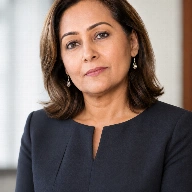
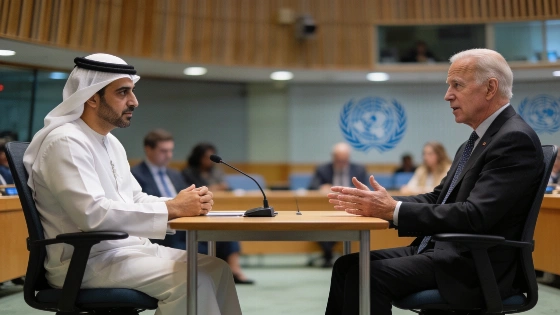
In New York, Nabil Fahmy and US adviser Massad Boulos discussed Sudan and Libya. The Arab League called for a humanitarian truce in Sudan and a Libyan-led path to unified institutions and elections, while separate diplomatic efforts continued without a ceasefire agreement.
On September 25, Arab League Secretary-General Nabil Fahmy met US Senior Advisor Massad Boulos in New York during the high-level segment of the 81st session of the UN General Assembly. They discussed Sudan and Libya, along with coordination between the Arab League and international parties involved in both crises. The Qatar News Agency's account of the meeting also described efforts to curb regional escalation, seek a humanitarian truce in Sudan and support a Libyan political process based on Libyan consensus.
Fahmy called for a humanitarian truce in Sudan and a Libyan political process that preserves local ownership. No ceasefire was agreed.
Fahmy urged international parties to step up efforts for a truce that could lead to a permanent ceasefire. He said aid must reach people without obstruction. He also called for Sudan's unity, territorial integrity and national institutions to be preserved.
A proposed truce is a step toward a lasting ceasefire. It is not evidence that the parties have agreed to one. On September 22, the US State Department said neither the Sudanese Armed Forces nor the Rapid Support Forces had made a serious commitment to an immediate ceasefire. Washington continued to press for a humanitarian pause without preconditions and inclusive political dialogue toward civilian rule.
Reuters separately reported that Washington had tied a visa for Sudanese army chief Abdel Fattah al-Burhan to acceptance of a proposed 90-day ceasefire. Sudanese authorities rejected US criticism the following day. Diplomatic pressure had not secured an agreement.
At the UN General Assembly, diplomatic efforts also continued on a separate track. A joint meeting of the Quad and Quint on September 23 called for a humanitarian truce, better coordination to protect civilians and monitoring mechanisms. It did not record an agreement between the Sudanese army and the RSF. Calls for a ceasefire are not the same as an arrangement accepted by the parties.
On Libya, Fahmy urged progress toward unified institutions and elections. He said stability depends on consensus among Libyans that protects their ownership of the political process. The Arab League, he added, was ready to support UN efforts.
A separate UN-supported track is working to turn political commitments into electoral steps. The Libyan News Agency reported that members of the 4+4 committee met in Tunis to follow up on the agreement signed in Tripoli on August 30. The agreement provides for restructuring the High National Elections Commission and amending electoral laws.
The UN Support Mission in Libya said the next meeting was planned for the first week of October. The process aims to hold national elections within 24 months. Anadolu Agency also reported on the committee's discussions. That timetable is an objective, not a guarantee of elections.
Tripoli also has a separate commercial event on its calendar. A Korea-Libya investment forum is due to bring Libyan institutions and Korean companies together on September 27 and 28. The business meeting is separate from the political process. It does not settle questions about institutional unity or electoral rules raised in Fahmy's call.
The meeting produced no announced settlement or agreement. Fahmy's agenda focused on humanitarian access and a path to a permanent ceasefire in Sudan, as well as Libyan-led political consensus, unified institutions and elections. Coordination is the proposed tool. Progress depends on these goals moving beyond discussion.