Ayoub Aissiou, an Algerian businessman sentenced in absentia to 20 years in Algeria, remains detained in Spain as Madrid weighs an extradition request. The case has triggered a high-profile European campaign for his release and highlights regional diplomatic tensions.
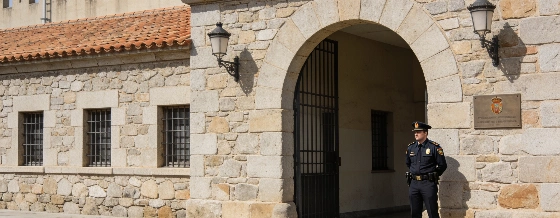
Ayoub Aissiou, an Algerian businessman sentenced in absentia to 20 years in prison by Algerian courts, has been held in a Spanish prison since July. His fate now depends on a judicial decision in Madrid, following his arrest upon arrival from Morocco. Algeria has issued an international arrest warrant and formally requested his extradition, intensifying scrutiny of cross-border legal cooperation in the region.
The case has become a focal point for diplomatic and legal tensions between Algeria and European states, with implications for broader regional relations. In recent months, similar disputes have strained ties, such as the ongoing detention of an Algerian consular agent in France, which has drawn attention to the complexities of judicial cooperation and sovereignty.
European Advocacy and Political Mobilisation
Since Aissiou's detention, a collective letter has circulated among European intellectuals and public figures, urging the Spanish and French governments to release him. The initiative, led by philosopher Daniel Salvatore Schiffer and supported by figures such as Marek Halter and Hassen Chalghoumi, has gathered signatures from prominent French writers, commentators, and former politicians. Notable signatories include Bernard Kouchner, Pascal Bruckner, Éric Naulleau, Arno Klarsfeld, and Boualem Sansal. In Algeria, this campaign is widely viewed as an attempt to shield a convicted individual from national jurisdiction, further complicating the diplomatic landscape.
Cross-Border Movements and Security Concerns
Aissiou's travel patterns have drawn particular attention from Algerian authorities. While his visits to Morocco date back to 2014, the frequency of his trips increased sharply after the 2019 diplomatic rupture between Algeria and Morocco, becoming almost monthly. Reports suggest that 2019 also marked the start of formal contacts with Moroccan officials in Paris, allegedly laying the groundwork for activities perceived as hostile to Algerian state stability. In 2023, Aissiou reportedly deepened his connections with journalist Mohamed Sifaoui, who is described as a key facilitator in linking Aissiou to French intelligence circles and advocacy networks in Paris.
Israeli Dimension and Evidence Gathering
The Israeli aspect of the case is particularly sensitive. According to sources cited by El Watan, Aissiou made his first trip to Israel in 2022, with at least three subsequent visits to Tel Aviv. These revelations come amid heightened regional scrutiny of foreign intelligence activities and cross-border political cases. The Algerian judiciary, which has recently toughened its stance on cases involving state security, is reportedly relying on testimony from two former bodyguards who accompanied Aissiou on his travels. These witnesses are believed to possess detailed knowledge of his routes between Morocco, Europe, and Israel, potentially providing crucial evidence for the prosecution.
Regional and Legal Implications
The outcome of the Spanish court's decision will have broader consequences for Algeria's relations with European partners and its approach to extradition and state security cases. The case also underscores the challenges of managing cross-border legal disputes in a region marked by political rivalries and shifting alliances. As the legal process unfolds, observers are watching for signals of how European states balance judicial cooperation with political advocacy.
While the Aissiou case is unique in its geopolitical complexity, it reflects a broader pattern of legal and diplomatic friction between Algeria and its European counterparts. For example, Algerian authorities have recently tightened enforcement of domestic regulations, as seen in their efforts to improve road safety through measures such as new penalties for night driving without proper vehicle lighting.