
Algeria's Gendarmerie nationale has warned that motorists driving at night without proper vehicle lighting on unlit roads risk a 10,000 dinar fine under Article 121/D-6 of the road code. The measure aims to improve road safety.
Algerian authorities have reiterated that motorists driving at night without using appropriate vehicle lighting on roads lacking public illumination are in violation of the national road code. The Gendarmerie nationale issued a public reminder highlighting that such infractions can result in a fixed fine of 10,000 Algerian dinars, as stipulated by Article 121/D-6 of Law No. 26-09 governing road traffic regulations.
The warning comes amid ongoing efforts to reduce road accidents and improve safety for all road users. The Gendarmerie emphasised that visibility is a critical factor in preventing nighttime collisions, especially on poorly lit or unlit roads. Vehicles without functioning headlights or required signalling devices are significantly harder for other drivers to detect, increasing the risk of accidents.
Legal Framework and Enforcement
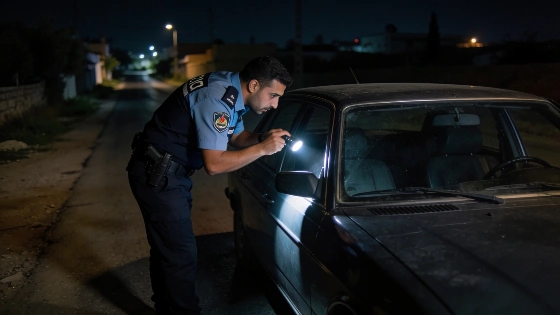
According to the current road code, any driver operating a vehicle at night on a road without public lighting must use the vehicle's lighting and signalling systems. Failure to comply exposes the driver to a 10,000 dinar fine, which is enforced as a fixed penalty. The Gendarmerie nationale has stepped up awareness campaigns and roadside checks to ensure compliance, aiming to deter risky behaviour and reinforce the importance of regular vehicle maintenance.
Road Safety Implications
Beyond the financial penalty, authorities stress that driving without proper lighting endangers not only the driver but also other road users. Reduced visibility at night or during adverse weather conditions can lead to delayed reaction times and increase the likelihood of serious accidents. The Gendarmerie urges all motorists to check their vehicle lights before setting out at night and to adhere strictly to road safety regulations. Regular inspections and responsible driving are presented as essential measures to protect lives and avoid legal sanctions.