A Maltese delegation used its Benghazi visit to discuss academic and trade links, while Borg reiterated Malta's backing for Libyan institutional unity and a peaceful political settlement.
On 13 October 2026, Ian Borg met Saddam Haftar, Deputy Commander-in-Chief of the eastern Libyan forces, according to Anadolu Ajansı. Borg reaffirmed Malta's support for efforts to unify Libya's institutions and reach a peaceful political settlement.
Borg, Malta's Deputy Prime Minister and Minister for Health, led the delegation. Officials discussed education and health, then turned to trade and energy. Infrastructure was also on the agenda. The talks covered potential commercial links and academic exchange, including trade and economic cooperation. Education and other areas came up as well.
No agreements or specific projects were announced.
Libya remains divided between the internationally recognised Government of National Unity in Tripoli and political and security structures in the east. The split has spilled into financial institutions: the Central Bank divided along political lines in 2014. In January 2022, the bank announced a phased process to reunify its Tripoli-based and eastern structures. The process involved Tripoli governor Sadiq al-Kabir and eastern representative Ali al-Hebri, with Deloitte brought in to monitor it.
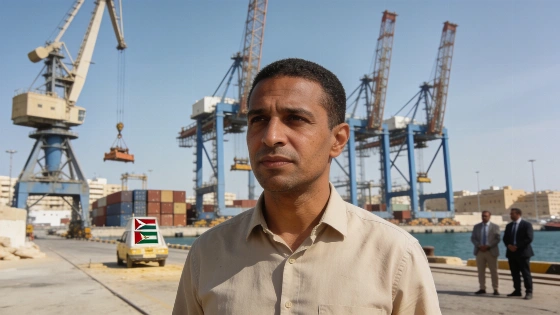
At the Julyana Free Zone and port, the delegation received a briefing on development plans and possible trade and logistics opportunities. The port discussions come as Libya separately considers corridor services, including issues covered in earlier corridor reporting.
At the University of Benghazi, officials discussed academic cooperation. Topics included postgraduate study and possible master's programmes in Arabic and archaeology. The talks could support further knowledge exchange between the university and Maltese institutions.
The delegation's meeting with General Saddam Haftar, Deputy Commander-in-Chief of the Libyan Arab Armed Forces, covered Malta-Libya ties. They discussed historical and cultural connections, along with commercial ties and the potential for cooperation that benefits both peoples. Borg said the delegation had also come to follow progress in talks on Libya's reunification.
Economy Minister Silvio Schembri was part of the delegation. Education and Sport Minister Byron Camilleri joined, as did Jonathan Attard, Minister for Infrastructure, Planning and Public Works. Cabinet Secretary Ryan Spagnol also took part. Mark Mallia, Head of Secretariat at the Office of the Prime Minister, rounded out the delegation.
The visit came as diplomatic efforts sought to advance a political process and prepare for elections. In late August 2026, a UN-mediated "4+4" initiative brought together two representatives from each of four key Libyan institutions. It set out a roadmap toward presidential and parliamentary elections within 24 months. A parallel US initiative also focused on unifying state institutions.
The sequence remains contested. Eastern authorities have called for a new unified transitional government, while the Tripoli-based Government of National Unity has prioritised holding elections.
Borg said Malta wanted to work with a stable and secure Libya. He argued that dialogue and a political solution could lead to lasting peace and development in the Mediterranean. Malta's regional policy also places Libya within a wider European cooperation agenda. At the MED9 summit in Split in October 2026, Prime Minister Robert Abela called for EU cooperation with Libya to extend beyond migration. He named energy and climate, then security and investment, as areas for cooperation, according to The Libya Observer.