
The 1.5°C limit is increasingly at risk, and the COP29 finance deal leaves questions about whether developing countries will get the support they need. In North Africa, water security, energy investment and adaptation are at stake.
The available reporting does not support claims that more than 190 countries agreed at a new summit to phase out coal, expand renewables and fund resilience. The Paris Agreement calls for keeping warming well below 2°C and pursuing efforts to limit it to 1.5°C. UN discussions in 2026 have emphasized that a temporary overshoot is increasingly likely. Limiting its scale and duration is critical.
Climate finance remains a major fault line in negotiations. At COP29 in Baku, countries agreed that developed countries would provide at least $300 billion a year in climate finance to developing countries by 2035. They also called for finance from all sources to grow to $1.3 trillion annually by that year. That larger figure reflects the scale of needs raised by developing countries. It is not a country-by-country allocation or a promise that the money will arrive as grants. The terms matter.
In North Africa, climate action is tied to economic priorities. Water scarcity, heat and drought threaten communities and agriculture. Energy investment can affect jobs, public finances and regional trade. Morocco has set a target for renewables to make up 52% of installed electricity capacity by 2030, according to Morocco's MAP. Algeria's energy transition intersects with an economy shaped strongly by hydrocarbons. Tunisia must balance investment in adaptation with limited public resources. A single global finance target will not produce identical plans across these countries.
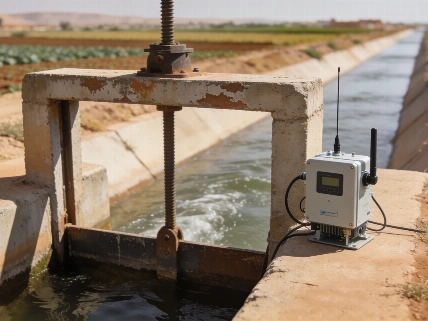
The UN Economic Commission for Africa has highlighted the region's exposure to climate impacts and the need for adaptation and resilient development. Predictable finance could support water management, climate-resilient infrastructure and clean-energy projects across Maghreb economies. But access terms matter. Loans can add to debt pressures. Grants and affordable long-term financing can better support adaptation needs.
National concerns also differ. Algeria's APS covers energy and climate policy in the context of the country's resource base. Tunisia's TAP reports on adaptation and water challenges. These are domestic policy issues as well as part of a wider regional debate. The global agreement does not set targets for individual countries or tell each government how to carry them out.
Adaptation finance is not the same as support for loss and damage. That support addresses harms that mitigation or adaptation alone cannot prevent. Calls to strengthen the mechanism continue, but its funding and delivery arrangements remain under international discussion. The 1.5°C goal is an urgent benchmark, not a guaranteed outcome. Progress will depend on sustained emissions cuts, transparent reporting and finance that reaches vulnerable communities.