Dawi Clinics, co-founded by Magda Habib, is building a network of thirty clinics across Egypt to offer affordable, reliable healthcare for the country's middle class. The company is challenging Egypt's patchwork system and aiming to become a trusted national name.
Magda Habib is betting that Egypt's middle class wants healthcare that's as easy to find and as predictable as a fast-food chain. With Dawi Clinics, she's not just opening more branches. She's trying to bring order to a sector where care is often hit-or-miss. Dawi's growing profile got a boost when Forbes Middle East named Habib and Mairose Doss among its "Top Healthcare Leaders" for 2026. The listing confirmed Dawi's active role in the region's healthcare scene as of September 2026, with both founders recognized as shareholders by Forbes Middle East.
Some call Dawi Clinics "the Starbucks of healthcare." Habib's husband puts it differently. In Egypt, Starbucks is a luxury, but McDonald's is everywhere. That's the real goal: to make Dawi Clinics a name everyone knows, tied to care that's both affordable and reliable for regular Egyptians. This fits with Egypt's bigger push to expand healthcare, a national priority. A Bloomberg analysis pointed to the country's drive for medical tourism and the government's push to get the private sector more involved in healthcare.
Building a healthcare network in uncertain times
Habib didn't start out in healthcare. She helped build Raya Holding, a tech company that branched out into different sectors and eventually went public on the Egyptian stock exchange. She also played a key role at Fawry, a fintech firm that did the same. Both companies grew during years of political turmoil, from the 2011 Arab Spring to repeated currency drops and high inflation. This kind of resilience is common across North Africa. Reports from the UN Economic Commission for Africa and the Tunis Afrique Presse agency often show how economic shocks push private companies to adapt and innovate.
Habib's experience with Egypt's unpredictable business climate shapes how she runs Dawi Clinics. In Egypt and much of the Maghreb, starting a business is more like a marathon than a sprint. It takes flexibility and grit. The Egyptian Ministry of Health and Population has echoed this, stressing that private-public teamwork is key to hitting the country's healthcare goals.
Affordable care as a strategic bet
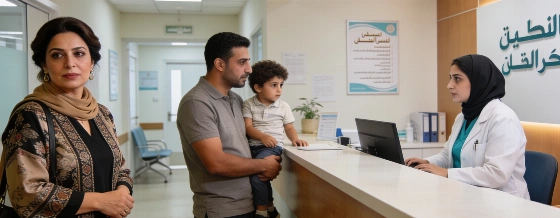
Dawi Clinics now runs thirty branches. The chain targets Egypt's middle class, promising steady standards and prices people can manage. Egypt's healthcare system is scattered, with big swings in quality and cost from one provider to the next. Dawi's model tries to fix that by standardizing care and keeping it affordable. The company is aiming for a group of patients who often get overlooked. This approach matters as Egypt plans to add 5,000 new medical units over six years. That scale is backed up by independent reporting and official word from the Ministry of Health, including details on a government-backed vaccine facility.
Habib's record of building companies through tough times gives Dawi Clinics a kind of credibility most new ventures don't have. The company's growth points to a shift in how healthcare might work in Egypt, with the chance to change what millions of families expect. The bigger picture includes cross-border patient flows. Recent reports from the Algerian Press Service and Reuters show how changes in patient access from Gaza to Egypt can affect how Egyptian providers plan and manage capacity.
Dawi's ambition is big, but its mission is clear. In a country where economic shocks are common and the middle class is always under pressure, a healthcare chain built on steady service and fair prices is answering a real need. Dawi Clinics isn't just chasing growth. It wants to be the first choice for Egyptians who want good care without the usual unpredictability or high costs. If Habib's plan works, Dawi could set the standard for accessible healthcare in Egypt's changing economy, matching the government's reforms and the African Union's health policy goals.