
Egypt's Ministry of Agriculture issued 907 new operating licences for livestock, poultry, feed, and dairy projects in August, while allocating EGP 59.85m in fresh financing to the National Veal Project, supporting small breeders and expanding cattle production.
Egypt's Ministry of Agriculture and Land Reclamation has issued 907 new operating licences for livestock, poultry, feed, and dairy collection projects in August, reflecting ongoing efforts to formalise and expand the country's animal production sector. The ministry also approved EGP 59.85m in new financing for the National Veal Project, aiming to boost domestic cattle production and support small-scale breeders.
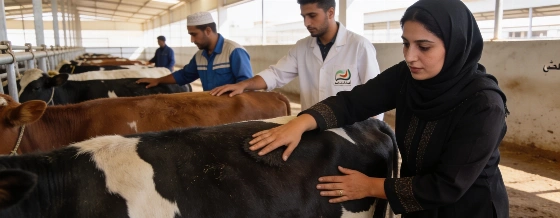
The figures were disclosed in an official report submitted to Minister of Agriculture Alaa Farouk by Tarek Soliman, head of the livestock and poultry development sector. According to Soliman, the latest round of financing will benefit 47 recipients raising a total of 855 head of cattle. Since its launch, the National Veal Project has distributed over EGP 11.5bn in funding, reaching 46,398 small breeders, graduates, and women in "Decent Life" initiative villages, and covering more than 543,000 head of cattle.
Licensing and Regulatory Actions
Of the 907 licences issued in August, 167 were granted to small breeders for livestock rearing, in coordination with the General Authority for Veterinary Services. The ministry also provided 28 technical approvals for new animal and poultry production projects in desert hinterland areas, aiming to enforce biosecurity standards and distance major production activities from residential zones.
Regulatory oversight extended to the destruction of 2,304 tonnes and 1,200 litres of non-compliant imported feed additives, supervised by joint inspection committees. The ministry continued surprise inspections of factories and warehouses across governorates to address monopolistic practices and prevent the withholding of goods.
Feed Registration and Technical Support
The ministry approved 777 registrations for feed mixtures, additives, and concentrates-416 local and 361 imported-working with the Regional Center for Food and Feed and the Animal Production Research Institute. These measures are intended to reduce production costs and improve food conversion rates and product quality.
Technical support and homogeneity tests were provided for 47 feed factories, covering 106 production lines for poultry, livestock, and fish, in preparation for licensing. Under the supervision of Deputy Minister Mostafa Al-Sayyad, the ministry organised eight extension seminars and practical training sessions in several governorates to transfer modern feeding and care practices to breeders.
Exports and Sector Impact
During August, Egypt exported fish feed, feed additives, frozen poultry, table eggs, and frozen birds-including quail, duck, pigeon, and turkey-to various Arab and international markets. The expansion of licensing and financing is expected to strengthen Egypt's livestock sector, support small producers, and contribute to food security objectives.