
Egypt has announced a $12 billion technology investment plan focused on AI, large-scale data centers, and digital infrastructure, aiming to become a regional tech hub while introducing new child online safety regulations and boosting digital exports.
Egypt is making a major push into digital technology. President Abdel Fattah al-Sisi has ordered a $12 billion investment package centered on artificial intelligence, hyperscale data centers, and cloud infrastructure. The government is setting clear targets and introducing new digital regulations that will affect how Egyptians work, study, and use the internet. This move follows a wider North African trend, as noted by the Tunis Afrique Presse (TAP) agency, where digital infrastructure is seen as key to economic modernization across the Maghreb.
The plan includes a goal of reaching $8 billion in digital exports by 2028, with outsourcing services expected to reach $12 billion by 2029. Cairo also wants to expand its electronics design sector to 120 companies by 2030. These are now official targets, confirmed by the Ministry of Communications and Information Technology and echoed in recent statements from the Algerian Press Service (APS) about regional digital competitiveness.
AI and infrastructure at the forefront
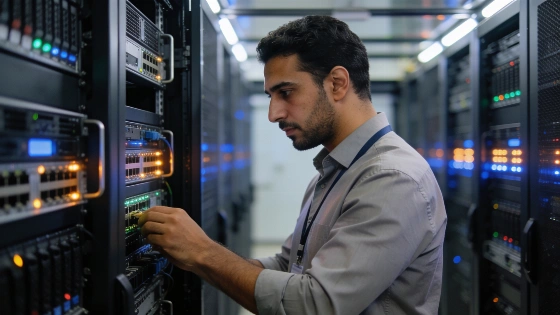
President Sisi has told officials to speed up investment in hyperscale data centers and roll out 5G nationwide, aiming to secure Egypt's digital independence. The national AI program, "Karnak," is being developed to create generative AI models in Arabic, making sure Egypt's digital infrastructure is both modern and locally relevant. A cabinet review in September 2026 noted that Egypt is already investing in AI-powered data centers for industry, government, and private companies. This mirrors similar efforts in Morocco and Tunisia, where ministries are prioritizing cloud infrastructure for public sector digitalization. Egypt's first major AI data center, launched in partnership with Nvidia, highlights the country's focus on artificial intelligence in the region.
The government is also working to unify public services. The Unified Government Services Card is being expanded, and the Ministry of Supply is helping to merge databases to make it easier for citizens to access services and cut down on bureaucracy. These steps follow the African Union's digital transformation framework, which encourages member states to align digital identity and e-government systems for better regional integration.
Child online safety and digital skills
Egypt's digital plans go beyond infrastructure and exports. The government is enforcing new child online safety rules. A joint NTRA-SCMR decree bans social media accounts for children under 13 and requires "Safe Mode" settings for users aged 13 to 15. Minister of Communications and Information Technology Raafat Hendi has reviewed how these measures will be put in place. Platforms have 30 days to submit compliance plans and three months to fully implement the new rules, a timeline similar to recent actions by Morocco's National Commission for the Control of Personal Data Protection (CNDP).
On the talent side, the "Digilians" presidential initiative, run with the Egyptian Military Academy, is under direct review from Sisi, who has called for strict neutrality and transparency in selecting candidates. The aim is to make sure young Egyptians are trained for the tech jobs this transformation will require. This reflects regional efforts, with the UN Economic Commission for Africa (UNECA) highlighting the need for digital skills development in North Africa to close the talent gap and support broader growth.
Regional ambitions and next steps
Egypt's technology overhaul is part of a wider effort to become a regional tech hub. The country is investing in infrastructure and regulations to attract international business and talent. This approach is similar to recent projects like the IDEIA digital platform for green investment, as reported earlier. Observers from the Maghreb Arab Press (MAP) note that Egypt's digital plans are closely watched by neighboring countries, given the potential for cross-border partnerships and shared infrastructure.
By setting clear export targets, enforcing digital protections, and investing in AI and cloud infrastructure, Egypt is moving from gradual reform to large-scale action. Whether these plans lead to real gains for the economy, workforce, and digital independence will depend on how well they are carried out. For now, Egypt's leadership has made its priorities clear: the country is competing to become the region's digital leader.