The port memorandum links western Sicily with the Misrata Free Zone, while a veterinary cooperation pact covers laboratories and food testing. Both need follow-up projects; the five-year pact carries no automatic spending commitment.
Misrata's planned $2.7 billion terminal expansion gives the new port partnership real commercial weight. Promoted by a consortium led by Mediterranean shipping company MSC, the expansion programme is separate from the memorandum signed by the port authorities. The agreements do not launch a new route or service; those remain goals for follow-up work.
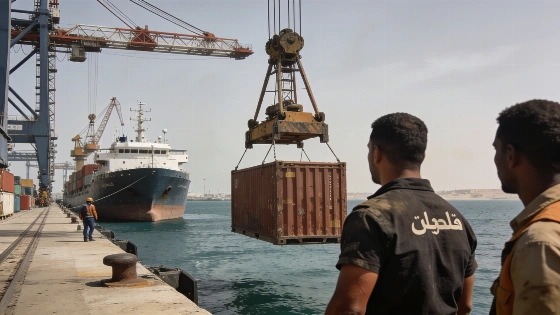
On 3 November 2026, Italy and Libya signed two cooperation memorandums in Misrata during a business mission organised by the Italian-Libyan Chamber of Commerce. The port memorandum links the Western Sicilian Sea Port Authority with the Misrata Free Zone. It was signed by Annalisa Tardino, president of the Sicilian authority, and Mohsen al-Suqutri, chairman of the Misrata Free Zone, during a mission involving around 60 Italian companies, including Fincantieri and the Grimaldi shipping group. Tardino called the agreement an "opportunity for concrete cooperation," to be developed through projects and investment, with new opportunities for Sicily, Libya and Italy, La Sicilia reported.
Port links remain a project to develop
The western Sicilian network includes Palermo, Termini Imerese and Trapani. Tardino proposed hosting a Libyan delegation in Palermo to identify practical activities and give the memorandum operational content. The agreement sets a framework for cooperation between the port and logistics systems; specific routes, services and commercial projects still need to be developed.
The terminal expansion programme is spearheaded by an MSC-led consortium. Tardino said the planned development could create opportunities to work with Sicilian ports, which are also pursuing infrastructure development. Italian Ambassador to Libya Gianluca Alberini presented Misrata as a potential link between Europe and Africa within Italy's Mattei Plan for Africa. The business mission brought together public institutions and private-sector representatives, including Fincantieri and the Grimaldi shipping group. The Italian Embassy in Tripoli and Unioncamere supported the mission.
The chamber's wider effort to connect Italian and Libyan businesses was also covered in earlier investment coverage.
Food safety pact sets conditions for delivery
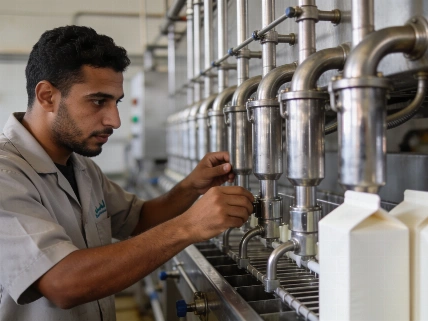
A separate memorandum signed at the Italian-Libyan Chamber of Commerce's headquarters in Misrata covers animal health and food safety, alongside veterinary training. Nicola Colicchi signed for the chamber, while Stefano Petrini signed as delegate of Vincenzo Caputo, director-general of the Experimental Zooprophylactic Institute of Umbria and the Marche, known as the "Togo Rosati" institute. The agreement provides for epidemiological surveillance and support for Libyan veterinary laboratories, as well as technology transfer and monitoring of production chains for food of animal origin.
The planned work covers infectious-disease monitoring, the exchange of epidemiological information and assistance with prevention and biosecurity plans. Laboratory cooperation includes molecular and serological diagnostics, quality management and method validation. It also allows for work on autogenous vaccines and diagnostic reagents, with potential technology transfer and local production.
Food-safety measures include microbiological and chemical testing of foods of animal origin and caught fish, alongside monitoring veterinary drug residues and contaminants. The agreement also covers traceability and risk management, and provides for staff training to strengthen testing and inspection capacity. Agenzia Italpress reported that the memorandum addresses cooperation in animal health, food safety and veterinary training.
The food-safety memorandum is valid for five years from the date of the last signature and may be renewed by mutual consent. Individual activities require specific agreements and an annual work plan. Implementation also depends on available funding and approval by the institutions' governing bodies.