The CBL says a signed protocol formalized the transfer from Naji Issa to Fawzi Abu Khazam. Accompanying commentary says the ceremony followed a contested installation and describes Abu Khazam as a consensus choice.
An accompanying commentary says Fawzi Abu Khazam was installed on 22 October before the formal handover ceremony took place. It describes the installation as forceful and says the later ceremony came after Naji Issa had been removed.
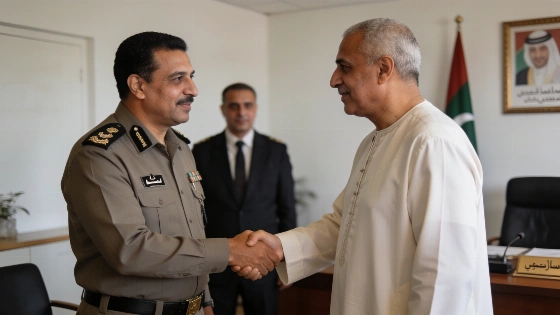
The Central Bank of Libya (CBL) said the handover of the Governor's office is complete. Its published photographs show the two Governors shaking hands, Issa signing documents and receiving commemorative plaques.
Protocol records the transfer
The CBL said the ceremony took place with members of its Board of Directors and department heads present. The Bank said an official protocol documented the transfer of duties and responsibilities and completed the administrative procedures.
The CBL said the process was intended to maintain operational continuity and administrative stability. Issa was also honoured for his service and contributions during his tenure.
The formal handover followed a staged transition. On 22 October, the eastern-based House of Representatives presidency provisionally accepted Issa's resignation and assigned Abu Khazam, a CBL board member, to perform the governor's duties pending a parliamentary decision. On 2 November, the House voted to accept Issa's resignation and appoint Abu Khazam as governor; parliament spokesperson Abdullah Bliheg said 78 of the 90 lawmakers present voted in favour, as Reuters reported. Abu Khazam took the legal oath before the House speaker and lawmakers on 4 November, pursuant to the resolution.
Commentary questions the appointment process
The accompanying commentary says the change was not publicly announced or debated before Issa was replaced. It also says neither the Libyan High Council of State nor the Libyan House of Representatives debated the change, and describes the successor's appointment as having been rubber-stamped afterward.
Issa had asked to resign in August 2026, but parliament initially rejected his request before reversing its position in October. Issa had become governor in 2024 after the House of Representatives and the High Council of State agreed on his appointment, following an earlier dispute over control of the Central Bank.
The House's interim arrangement came amid renewed disagreement between Libya's divided institutions over control of national financial bodies. Naji Mukhtar, first deputy chairman of the High Council of State, rejected the eastern parliament's move as unilateral. Abu Khazam met High Council of State head Mohamed Takala on 27 October. The sequence of interim designation, parliamentary appointment and oath-taking was reported by Xinhua News Agency.
The commentary attributes to unnamed commentators the view that the formalities are intended to ease international concerns, particularly those of the US Federal Reserve. It presents Abu Khazam's description as a consensus choice as the positive aspect of the appointment.
Separate coverage of Wahda Bank's platform plans examined another development in Libya's banking sector.