
Libya's Ministry of Water Resources is looking at French air compressor technology from MAC3 to modernize water well drilling and support technical work across the sector. Tripoli is turning to international expertise as it faces tough water infrastructure problems.
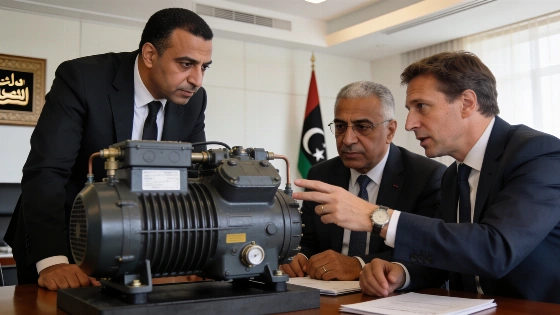
Libya's Ministry of Water Resources, led by Hosni Oweidan, is weighing whether French air compressor technology could help fix the country's aging water systems. On 23 September 2026, ministry officials met with MAC3, a French company known for air compressors and pneumatic gear. They looked at how this equipment might be used for drilling, finishing, and developing water wells. The meeting, confirmed by regional news wires and official statements, included technical demos and a review of what the sector needs. The ministry wants to break through old technical problems that have slowed down Libya's water sector for years.
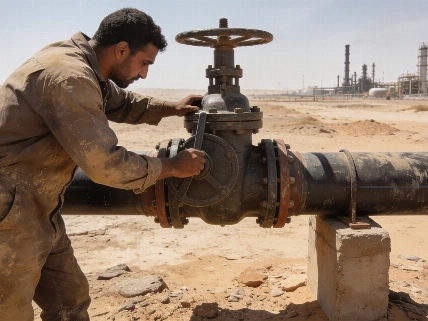
The talks went beyond just well drilling. Officials also discussed using MAC3's equipment at the Water Desalination Company and the General Company for Water and Wastewater. The goal is to bring modern pneumatic technology to several state-run operators. The hope is to make water supply and wastewater management more reliable and efficient. Reports from Tunis Afrique Presse (TAP) and the Libyan state news agency say these kinds of cross-sector projects are becoming more common as Maghreb governments try to update key infrastructure to meet regional development targets.
MAC3's team showed off their main compressor and pneumatic products. They also offered a full support package, which includes training, technical maintenance, and ongoing help. This kind of support is seen as crucial for Libya, where building up technical skills is still a big need. Both sides agreed to set up a larger technical workshop with other companies and agencies to take a closer look at the proposed solutions. By late September, there were no signed deals or contracts. Libyan news outlets reported that things are still at the early stage. More technical and institutional work is needed before anything can move forward.
Tripoli aims for a full technical upgrade
This move is part of a bigger government effort to improve public services and infrastructure. In September 2026, Libya's government rolled out a set of reforms and started talks with foreign partners, including meetings with European and Asian companies. The Ministry of Water Resources' talks with MAC3 are similar to what's happening in other Maghreb countries. Ministries there are also turning to foreign know-how to tackle water shortages and old infrastructure, as reported by the Algerian Press Service (APS) and the Moroccan Ministry of Equipment and Water. Morocco's national water plan, outlined in an official ministerial overview, puts a strong focus on working with international partners and bringing in new technology to deal with climate-driven water problems.
Libya's interest in MAC3's air compressor solutions shows a clear understanding that local resources alone can't solve the problem. The real challenge will come when sector agencies have to turn technical talks into real improvements on the ground. If the ministry can move from early discussions to actual projects, it could be a big step in updating Libya's water infrastructure. For now, though, everything depends on more technical and institutional coordination. Regional groups like the UN Economic Commission for Africa (UNECA) say these kinds of cross-border technology deals are key for sustainable growth in North Africa, especially as climate change puts more pressure on water supplies and makes water security a top issue for governments.