Around 100 Libyan professionals from 26 countries are gathering in Tripoli for the Libya Experts Forum, which aims to connect diaspora and domestic expertise through knowledge exchange and support national development initiatives.
About 100 Libyan professionals from 26 countries have gathered in Tripoli for the inaugural Libya Experts Forum. Organised by the Ministry of Labour and Rehabilitation, the forum is intended to connect expertise developed abroad with national institutions and stakeholders at home.
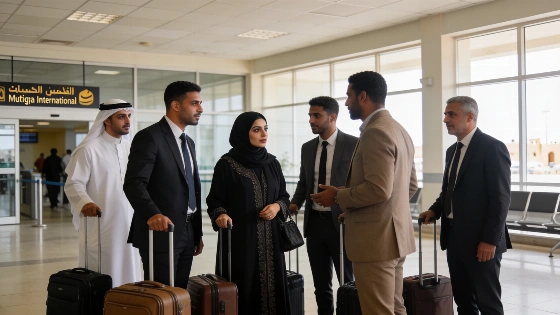
Participants began arriving in Tripoli via Mitiga International Airport ahead of the three-day gathering, scheduled to run from 23 to 25 August under the slogan, “We meet to contribute to the making of the future.” They represent a range of scientific and professional fields, bringing varied experience to discussions on cooperation and Libya’s development priorities.
Forum Objectives and Strategic Significance
The Ministry of Labour and Rehabilitation said the forum aims to strengthen communication between Libyan experts at home and abroad and open avenues for cooperation, with knowledge exchange basic to the effort. A digital platform is intended to support continued collaboration and information-sharing among Libyan professionals worldwide beyond the event itself.
The initiative also seeks to establish a national database of Libyan experts and build links with international institutions, while encouraging the transfer of skills and expertise to Libya. Its stated objectives include support for scientific research and innovation. It also seeks private-sector partnerships and aims to provide technical advice to policymakers.
Implications for Libya’s Development
By bringing diaspora professionals into contact with domestic institutions, the forum aims to widen the pool of expertise available to address national challenges and support development priorities. Proposed contributions range from research and innovation to policy advice, alongside cooperation with the private sector.
The forum’s ambitions extend beyond its three-day programme: the digital platform and national experts database are intended to provide channels for ongoing engagement. Their role in sustaining professional links and turning knowledge exchange into practical cooperation will shape the initiative’s longer-term contribution to Libya’s development.